How Waveform combines wireless equipment, engineering expertise, and enterprise installation to solve complex cellular connectivity challenges.
Reliable cellular connectivity is something people often take for granted until it stops working. A weak signal at home can interrupt calls, while poor reception inside an office, hospital, or manufacturing facility can create bigger problems. In large buildings, concrete walls, metal structures, and complex layouts can make consistent cellular coverage difficult to achieve.
Waveform has built its business around helping customers overcome these challenges. Through Waveform.com, the company provides cellular signal boosters and wireless equipment for consumers and small and midsize businesses. Its enterprise division, RSRF, takes this work further by delivering cellular enhancement systems and installation services for larger properties.
The company's solutions include distributed antenna systems (DAS), small cells, signal boosters, and related wireless infrastructure. According to its website, Waveform has sold more than 100,000 products, helped over 50,000 customers, completed more than 700+ DAS projects, and deployed over 25,000 antennas.
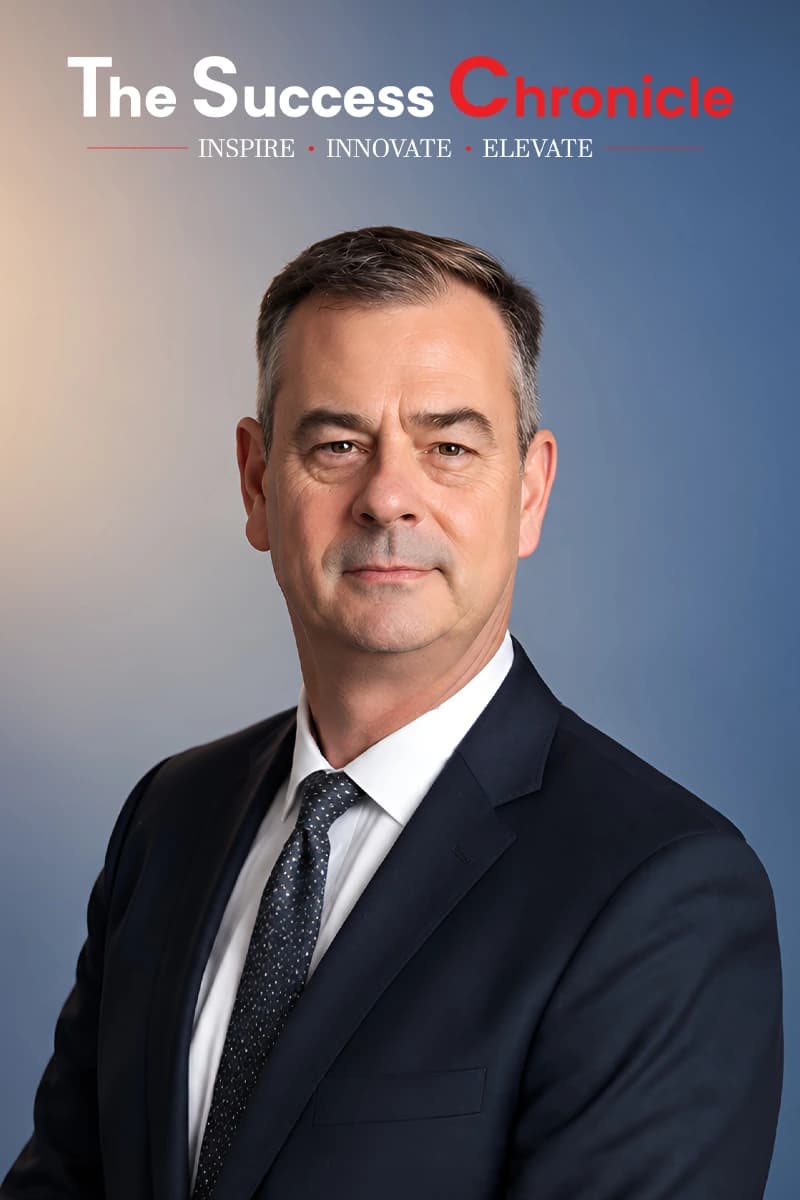
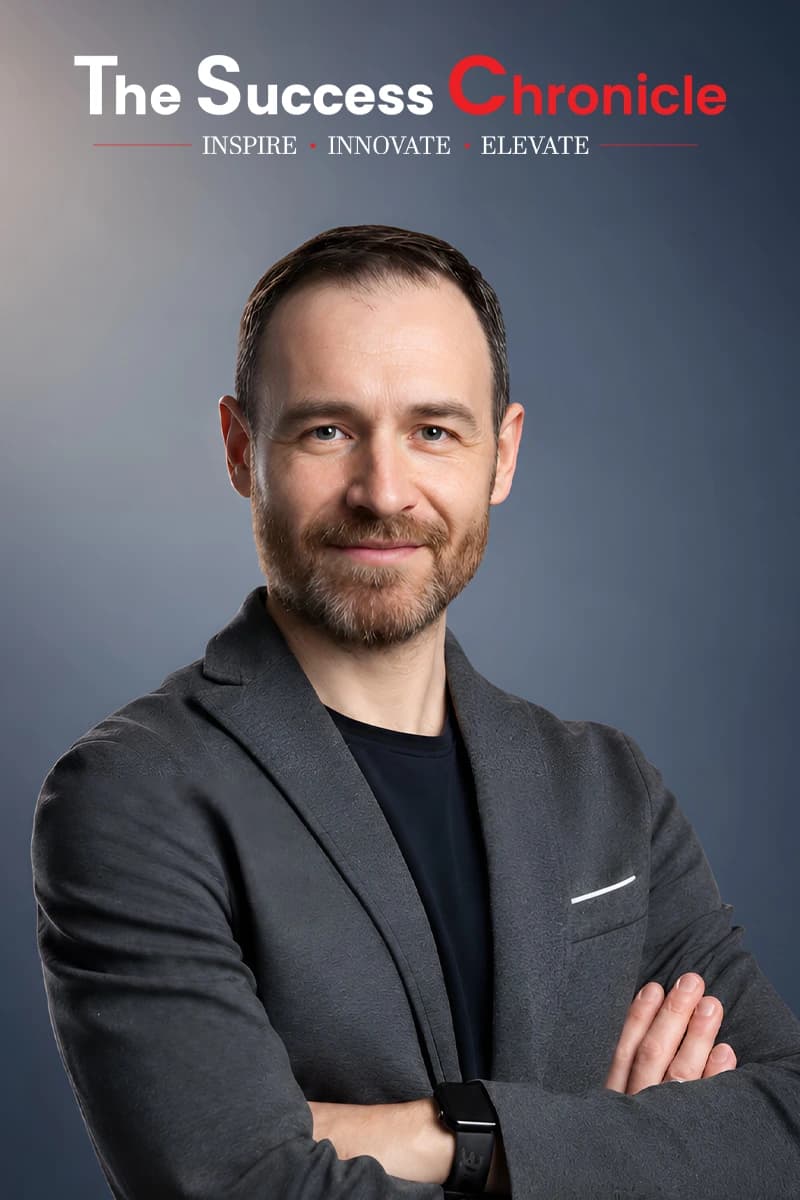
Led by CEO and Co-Founder Sina Khanifar and COO and Co-Founder Sam Westwood, Waveform combines equipment expertise with engineering and practical installation experience. Its vendor-neutral approach allows the team to consider products from different manufacturers when designing systems for individual buildings. Rather than treating every project alike, the company focuses on understanding the environment and finding a solution that fits.
In Conversation with Sina Khanifar
Waveform serves both individual customers and enterprise clients. How did the company begin, and how has its focus developed?
The idea behind Waveform was to help people solve cellular reception problems by making the right equipment and technical information easier to access. Over time, we saw that customers needed more than products alone. They also needed guidance in understanding signal problems and choosing suitable solutions.
As our experience grew, we began working with more complex connectivity requirements. Larger buildings often need professional system design and installation rather than a simple equipment upgrade. That helped shape our enterprise business, RSRF, which focuses on bringing cellular enhancement solutions to these environments.
How do Waveform and RSRF complement each other?
Waveform.com serves consumers and smaller businesses looking for wireless equipment to improve cellular reception. RSRF focuses on larger properties where connectivity challenges may require a professionally designed system.
Although the customers differ, both businesses work toward the same goal. Our experience with signal boosters, antennas, and other wireless equipment helps build our understanding of cellular performance. Enterprise installations provide additional insight into how these systems work in real buildings. Together, these experiences help us approach different connectivity challenges with a broader technical perspective.
What solutions does RSRF provide for enterprise customers?
RSRF offers cellular enhancement solutions, including distributed antenna systems, small cells, and signal boosters. The right option depends on several factors, such as building size, existing signal conditions, carrier requirements, and the number of people using the space.
A hospital, office building, manufacturing facility, and residential property can all have different needs. We assess the environment before deciding what type of system is appropriate. Our aim is to design a solution around the building rather than assume that one approach will work everywhere.
Why is a vendor-neutral approach important when designing cellular systems?
Every building presents its own challenges, and the equipment that works well in one environment may not be the best choice for another. A vendor-neutral approach allows us to consider products from different manufacturers and select equipment according to the project's requirements.
Building design, signal availability, system architecture, carrier requirements, and budget all influence the decision. We believe the priority should be finding a suitable solution for the customer, rather than limiting the design to a particular brand.
What have you learned from hands-on installation experience?
Practical experience helps us understand details that specifications alone cannot fully explain. Building materials, floor plans, antenna placement, cable routes, and equipment locations can all influence the final result.
Working across different environments helps our team identify potential issues and make better-informed decisions during planning. It also reinforces the importance of testing. A system needs to perform in the actual building, not just look right on paper.
What makes cellular connectivity difficult in large buildings?
One of the biggest challenges is that a strong signal outside does not always translate into good reception indoors. Concrete, metal, and other construction materials can weaken signals before they reach interior spaces. Multiple floors and complicated layouts can make coverage even more difficult.
Addressing these problems requires careful assessment, appropriate system design, antenna planning, and installation. Testing the completed system is equally important because the goal is to improve coverage where people actually use their devices.
How do DAS and small cells support the future of indoor connectivity?
Both technologies have an important role, depending on the application. Small cells can provide localized coverage and capacity, while DAS can distribute cellular signals across larger areas.
The choice depends on the building, the existing cellular environment, and the customer's requirements. Some projects may benefit from one technology, while others may need a different configuration. Understanding those differences helps determine the most appropriate approach.
How important are project management and installation planning?
They are essential, particularly when work takes place in buildings that must remain operational. Hospitals, offices, schools, factories, and residential properties cannot simply stop their daily activities while a connectivity system is installed.
Good planning and communication help coordinate engineering, installation, and testing while limiting unnecessary disruption. A turnkey approach also makes the process easier for customers by bringing the major project stages together rather than leaving them to coordinate multiple service providers.
What does experience across hundreds of DAS projects mean for customers?
Working on different projects exposes our team to a wide range of buildings, requirements, and installation challenges. A corporate office may have very different needs from a healthcare facility or manufacturing site.
That experience helps us understand what to consider when planning a new system and recognize potential difficulties earlier. However, previous experience does not remove the need to assess each property individually. Every project deserves a solution based on its own conditions.
What is your vision for Waveform and RSRF as connectivity technology evolves?
Our aim is to continue helping people and businesses get reliable cellular connectivity where they need it. Technology will change, but dependable communication will remain important in homes, workplaces, and public environments.
We want to keep combining product knowledge, engineering, installation, and customer support to help customers address their connectivity challenges. Through RSRF, we also intend to continue focusing on enterprise environments where reliable indoor cellular infrastructure is an important requirement.
The Vision Behind Waveform
Waveform aims to make reliable cellular connectivity more accessible to people and businesses. By combining wireless equipment, technical expertise, and enterprise installation services, the company helps customers address signal problems in environments where consistent coverage can be difficult to achieve.
Through Waveform.com and its RSRF division, the team works across a range of connectivity needs, from individual signal-improvement products to professionally designed systems for large buildings. Its focus remains on understanding each customer's requirements and delivering practical solutions suited to the environment.
As reliance on wireless communication continues to grow, Waveform seeks to help businesses and individuals stay connected through dependable equipment, engineering expertise, and hands-on support.
“A system needs to perform in the actual building, not just look right on paper.”
Company at a Glance
Company: Waveform
Industry: Telecommunications
Headquarters: Santa Ana, California
Year Established: 2007
CEO & Co-Founder: Sina Khanifar
Website: https://www.waveform.com/
Featured in: Top Telecom Companies to Watch in 2026