Australia Overhauls Defence Projects to Cut Costs and Delays
After a review found average cost blowouts of 38%, Canberra is introducing sweeping procurement reforms to support its largest-ever defence build-up.
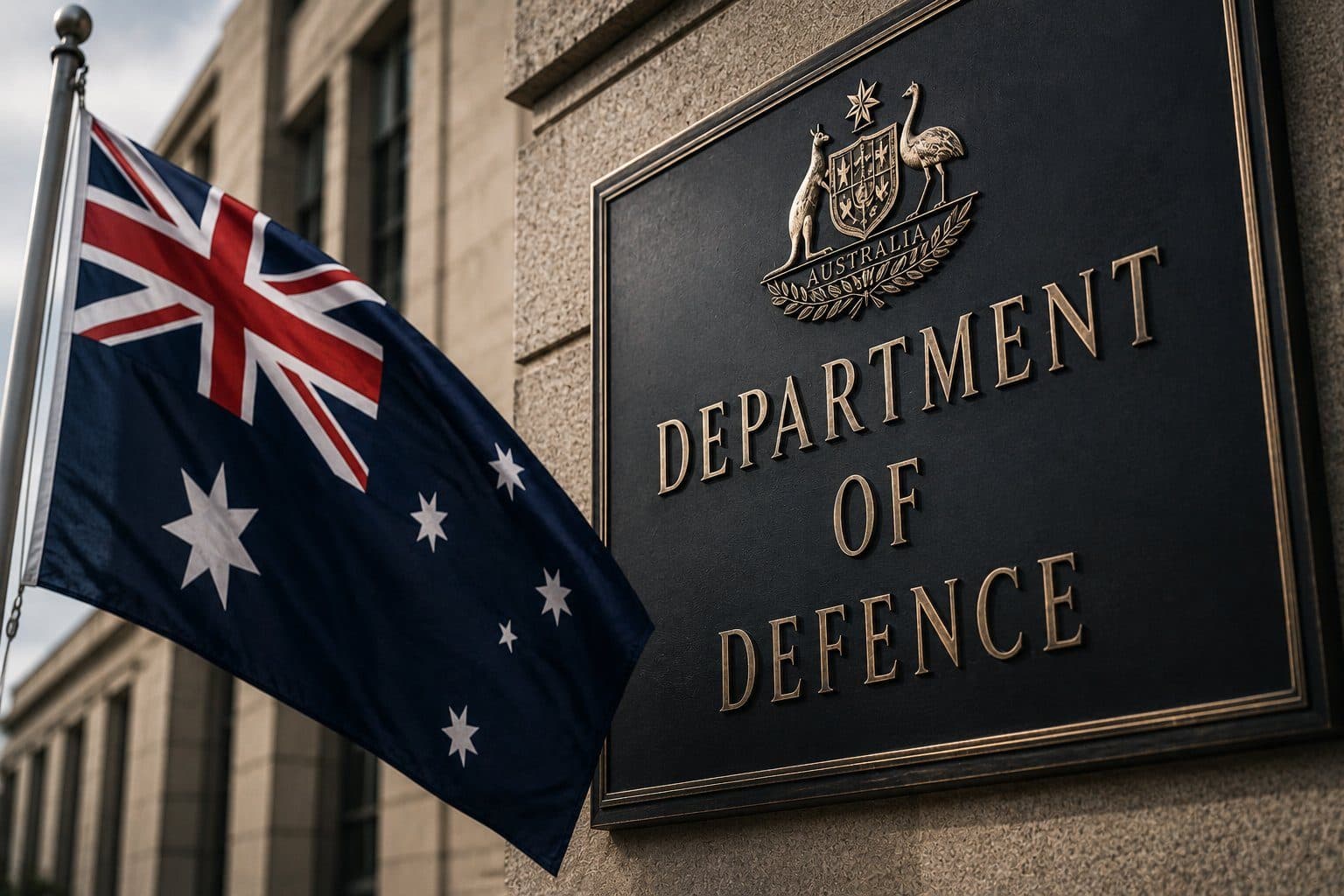
Australia is introducing a series of reforms to improve the management of major defence projects after years of rising costs and lengthy delays. The move comes as the government ramps up investment in military capabilities to respond to growing Indo-Pacific security challenges, including the AUKUS submarine program, naval expansion, and the development of advanced defence technologies.
Defence Industry Minister Pat Conroy said the current project management system is no longer suited to the scale and complexity of Australia's modern defence plans. The government will introduce stronger oversight, improve accountability, and tighten defence procurement to help ensure major programmes are completed on time and within budget.
The Scale of the Problem
A government review found that the cost of major defence projects increased by an average of 38%, or around A$29 billion, between their early planning stage and final approval. The review pointed to weaknesses in planning, cost overruns, and governance as key reasons behind the budget blowouts and delays.
Officials said many projects were approved based on overly optimistic timelines and incomplete cost assessments, making them more vulnerable to delays as they progressed. The pattern is not unique to Australia — similar cost escalation issues have been documented in the United Kingdom, Canada, and Germany — but the scale has become politically unsustainable as defence budgets grow.
New Procurement Framework
The government will introduce a revised procurement framework that simplifies decision-making and strengthens oversight across major defence acquisitions. The changes include clearer responsibilities for project leaders, improved reporting, and a more structured approval process to reduce unnecessary delays in defence spending.
Conroy said Australia's defence priorities have changed significantly in recent years, requiring a system that can manage larger and more complex projects. He noted that the current framework was developed for a different strategic environment and now needs to be updated to meet future requirements.
Supporting Australia's Broader Defence Strategy
The reforms support Australia's broader national security strategy, which includes the AUKUS partnership, continuous naval shipbuilding, investments in guided weapons, drone technology, and expanding the country's defence industry. These initiatives aim to strengthen national security while reducing dependence on overseas suppliers.
Government officials believe better project management will help avoid unnecessary spending and allow more funding to be directed towards strengthening Australia's military capabilities. Faster delivery of equipment is also expected to improve the readiness of the Australian Defence Force as regional security conditions continue to evolve.
Top Posts



Don't Miss

SpaceX Shifts Top Engineers to Boost Grok AI Development
SpaceX is reassigning some of its most experienced Starship and Starlink engineers to accelerate Grok AI development, signalling a major strategic pivot toward artificial intelligence.
August 28, 2026

Samsung Set for Strong Q2 as AI Chip Demand Remains Robust
Samsung Electronics is projected to report Q2 2026 operating profit of ~7.6 trillion won ($5.6 billion), fuelled by robust AI memory chip demand and continued cloud infrastructure investment.
August 29, 2026