Canada's Biggest Naval Procurement Nears Final Decision
A multi-billion dollar submarine contract will define the Royal Canadian Navy's capability for the next half-century — and signal Canada's seriousness as a NATO defence partner.
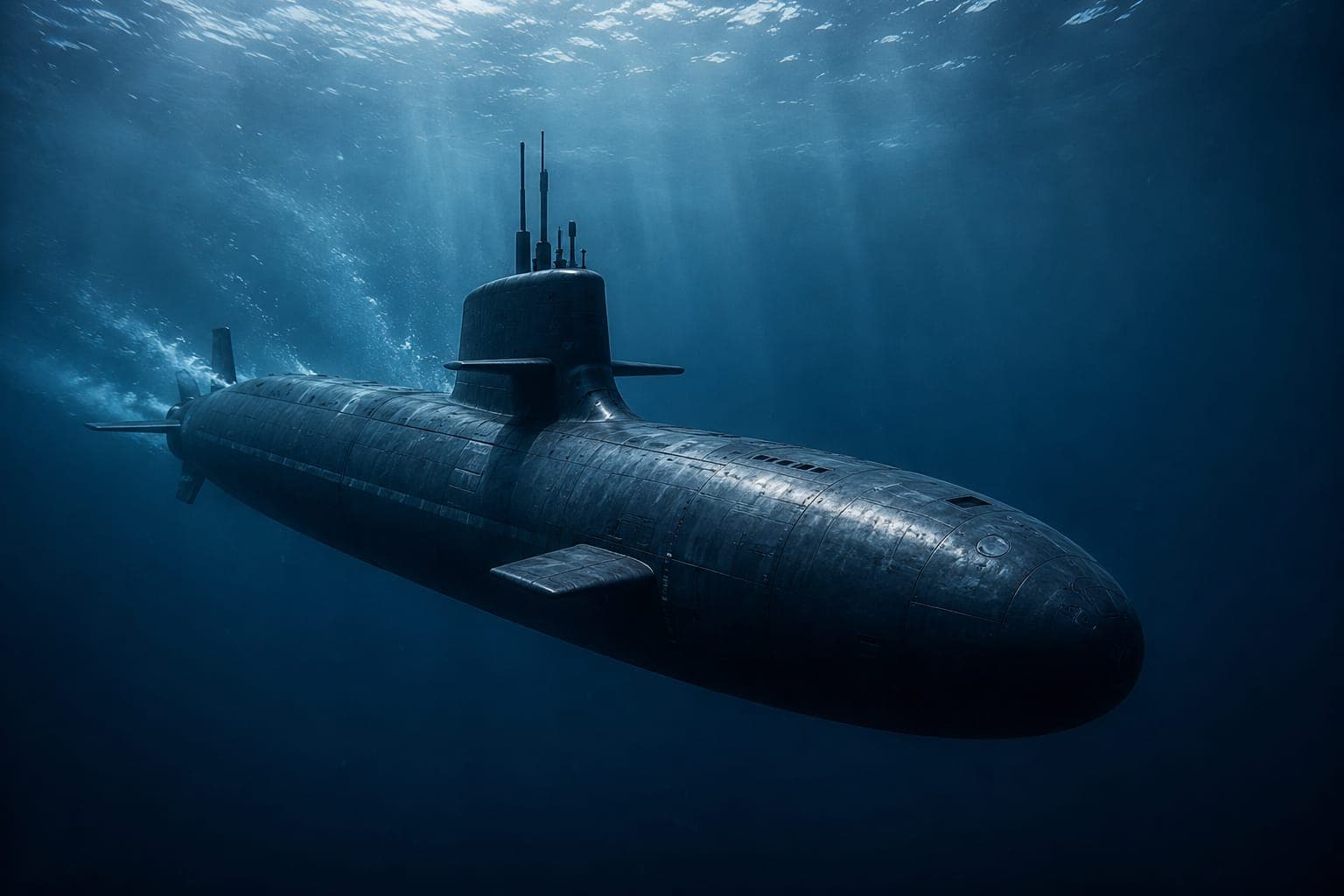
Canada is set to announce the winner of its multi-billion dollar contract for 12 new Royal Canadian Navy submarines — one of the largest defence procurements in the country's history. The decision will be announced ahead of Prime Minister Mark Carney's departure for the NATO summit, where defence spending commitments are expected to dominate the agenda.
The competition has two finalists: Germany's Thyssenkrupp Marine Systems (TKMS), backed by the Norwegian government, and South Korea's Hanwha Ocean. Both have submitted bids emphasising next-generation submarine technology, long-term maintenance partnerships, and Canadian industrial participation.
Replacing an Aging Fleet
The new submarines are intended to replace Canada's aging Victoria class, which has suffered persistent maintenance issues and operational gaps throughout its service life. The boats were originally British Upholder-class submarines, purchased second-hand in 1998, and have never fully met the Royal Canadian Navy's operational requirements.
Canada seeks to enhance Arctic surveillance, territorial waters control, and NATO joint-operations capability. The new submarines are expected to feature air-independent propulsion systems, allowing extended submerged operations without surfacing — a critical capability for Arctic patrols where ice coverage limits access.
The Strategic Backdrop
The procurement comes as Canada navigates growing pressure from NATO allies to increase its defence spending and capability contribution. Canada recently met NATO's 2% GDP defence spending target ahead of schedule — a political milestone that the Carney government has highlighted domestically.
Alliance members have also agreed to work toward a 5% GDP defence spending target by 2035, raising the stakes for procurement decisions. A capable submarine fleet would directly address longstanding NATO concerns about Canada's ability to contribute to undersea warfare and Arctic security operations.
TKMS vs Hanwha: The Competing Bids
TKMS, backed by Berlin and Oslo, brings decades of NATO submarine experience and an established support network across allied navies. Its Type 212CD design, developed in partnership with Norway, offers proven performance and strong interoperability credentials.
Hanwha Ocean, the South Korean shipbuilder, offers a newer design at a potentially more competitive price point. South Korea has rapidly expanded its defence export portfolio in recent years, winning contracts in Poland and Australia, and views the Canadian deal as a major step in establishing itself as a tier-one submarine supplier.
Top Posts

Don't Miss

SpaceX Shifts Top Engineers to Boost Grok AI Development
SpaceX is reassigning some of its most experienced Starship and Starlink engineers to accelerate Grok AI development, signalling a major strategic pivot toward artificial intelligence.
August 28, 2026
Australia Overhauls Defence Projects to Cut Costs and Delays
Australia is introducing sweeping reforms to defence project management after a review found costs ballooned by an average of 38% — roughly A$29 billion — between planning and final approval.
August 31, 2026