SpaceX Shifts Top Engineers to Boost Grok AI Development
Elon Musk's strategic redeployment of aerospace talent to AI marks a bold bet that the same engineering culture that built Starship can accelerate Grok's rise.
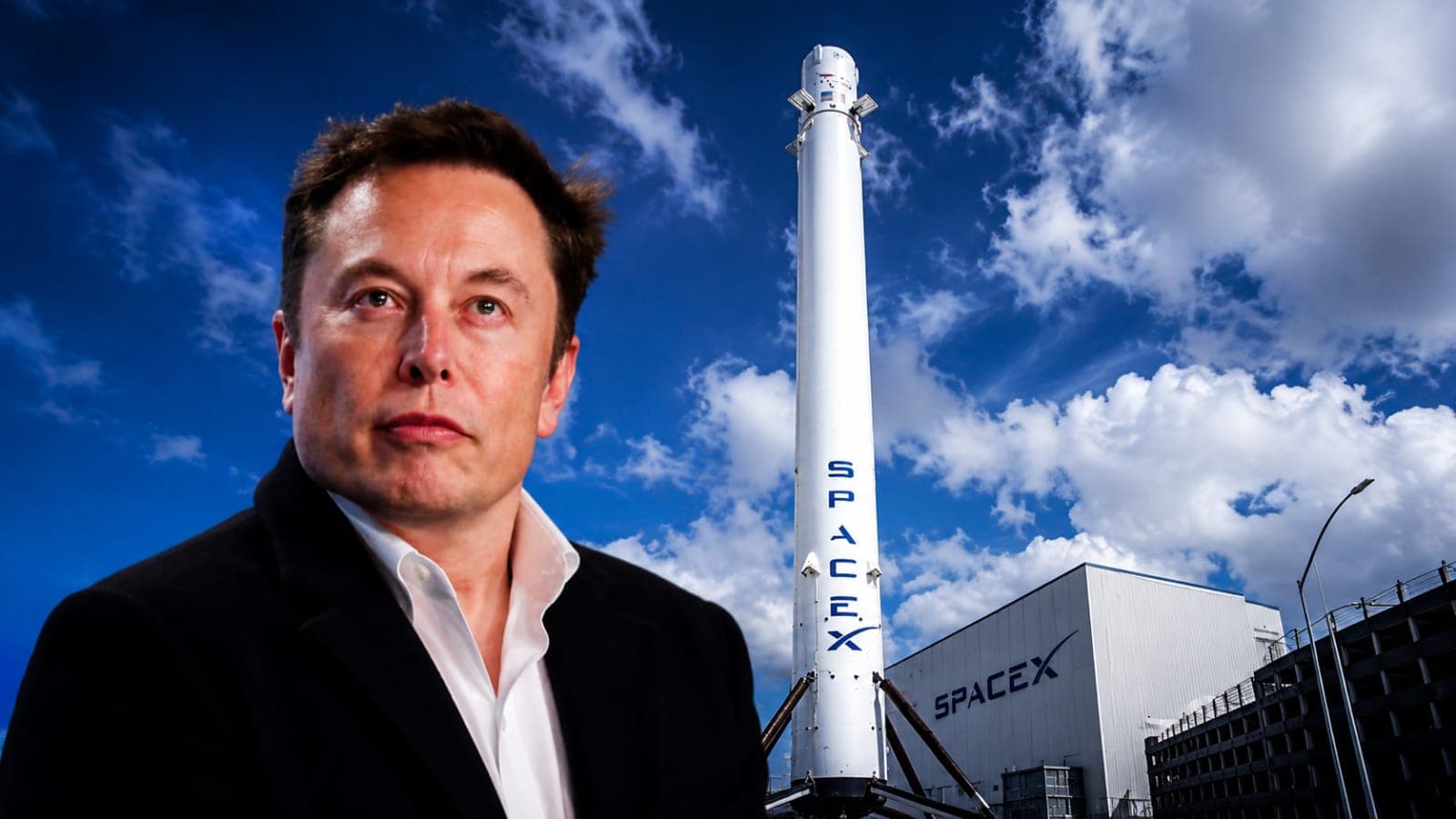
SpaceX is stepping up its artificial intelligence efforts by moving some of its top engineers from the Starship and Starlink programs to work on Grok AI, the AI chatbot developed under Elon Musk's technology ecosystem. The decision reflects the company's growing focus on AI as it looks to strengthen Grok's capabilities and compete with leading generative AI platforms.
In a recent post on X, Musk confirmed that a few dozen of SpaceX's most experienced engineers are now spending much of their time improving Grok — a significant reallocation of talent from two of the company's most high-profile technical programs.
Engineering Expertise Powers Grok's Next Phase
The move comes as Grok 4.5 enters private beta testing at both Tesla and SpaceX. Musk also revealed that the company plans to release new AI models trained from scratch every month, showing its commitment to rapidly improving the chatbot's performance.
The increased collaboration follows the integration of xAI with SpaceX earlier this year, allowing both companies to share engineering talent, computing resources, and technical expertise. By working more closely together, the companies aim to accelerate AI innovation while making better use of their existing capabilities.
Musk has previously acknowledged that Grok still trails some competitors, particularly in coding tasks. Earlier this year, he said the AI model was being rebuilt from the ground up to create a stronger foundation for future versions rather than relying on incremental updates.
Cursor AI Acquisition Bolsters the Effort
The project has also gained support from engineers at Cursor AI, an AI coding startup that SpaceX recently agreed to acquire. According to Musk, Cursor's team is helping build Grok's next-generation foundation model using its specialised coding datasets and engineering experience.
The acquisition is seen as a strategic move to address Grok's acknowledged weakness in code generation — an increasingly important capability as enterprise customers evaluate AI platforms for software development assistance.
AI Becomes a Bigger Part of SpaceX's Long-Term Vision
The decision to shift senior engineers from Starship and Starlink highlights how important artificial intelligence has become to SpaceX's future plans. Instead of treating AI as a separate business, the company is increasingly combining it with its expertise in satellites, communications, and space technology.
As competition in the AI industry continues to grow, SpaceX's decision to assign some of its best engineering talent to Grok signals that artificial intelligence is becoming a key part of the company's future — and that the line between aerospace and AI is blurring faster than most observers anticipated.
Top Posts
Don't Miss

Australia Overhauls Defence Projects to Cut Costs and Delays
Australia is introducing sweeping reforms to defence project management after a review found costs ballooned by an average of 38% — roughly A$29 billion — between planning and final approval.
August 31, 2026
Samsung Set for Strong Q2 as AI Chip Demand Remains Robust
Samsung Electronics is projected to report Q2 2026 operating profit of ~7.6 trillion won ($5.6 billion), fuelled by robust AI memory chip demand and continued cloud infrastructure investment.
August 29, 2026