Tesla Unveils Redesigned Roadster With Rocket Thrusters, Production Planned for 2028
Tesla's SpaceX-inspired Roadster performed aerial stunts at the reveal, but production is now planned for 2028 and no launch price or delivery date was announced.
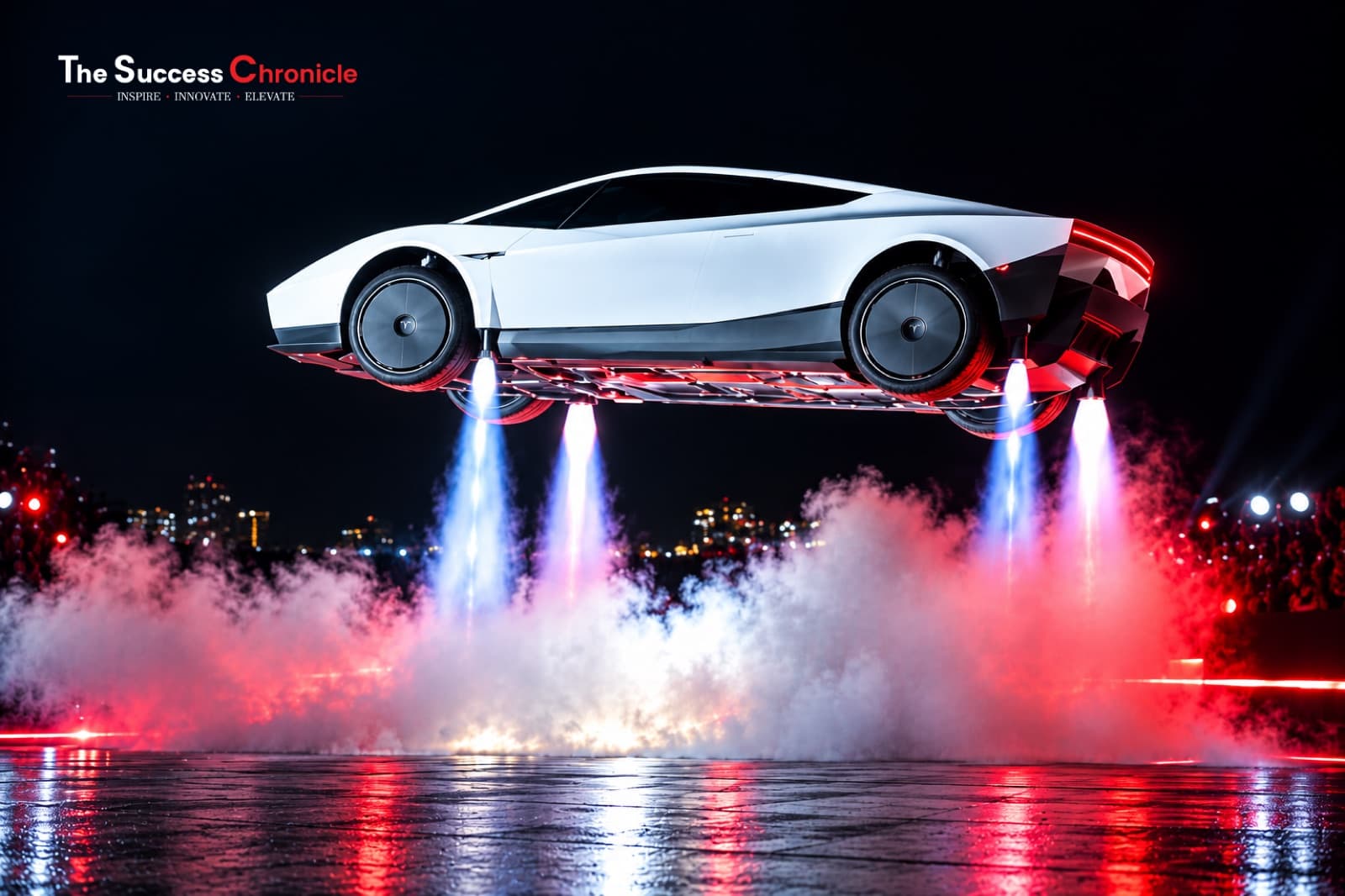
Tesla has unveiled a redesigned version of its Roadster electric sports car, featuring rocket-style thrusters developed in collaboration with SpaceX. The company announced on Thursday that production is planned to begin in 2028, more than a decade after it first revealed the next-generation Roadster.
The white, two-seater vehicle performed several stunts during the event at a SpaceX test site in McGregor, Texas. It drove upside down on a ramp using a suction system, turned in the air and landed with the help of built-in thrusters. It later jumped over a truck and other vehicles while twisting in the air.
The demonstration attracted attention from Tesla fans and investors, but the company did not announce a confirmed launch price or delivery date. Tesla shares rose 5% in premarket trading on Friday following the reveal.
Key Highlights
- Production target: Tesla plans to begin production of the redesigned Roadster in 2028.
- Rocket-style thrusters: The car features thrusters developed with SpaceX, Elon Musk’s rocket company.
- Acceleration: Tesla's vehicle engineering chief, Lars Moravy, said the car can accelerate from 0 to 60 mph (97 km/h) in less than one second.
- Top speed: Tesla claims a top speed of more than 230 mph (370 km/h).
- Driving range: The company says the Roadster can travel more than 300 miles (480 km) on a single charge.
- Reservation deposits: Tesla's reservation page listed a $50,000 deposit for the Performance version and $250,000 for the Thrust version.
- Special variant: The Rocket version is described as an invitation-only, single-seat model with a full flight system.
- Market reaction: Tesla shares rose 5% in premarket trading on Friday.
- Upcoming results: Tesla is scheduled to report its third-quarter financial results on October 21.
A Roadster Designed to Showcase Tesla's Technology
The Roadster reveal featured dramatic music, smoke, mechanical sounds and a countdown before the vehicle appeared. Musk told the audience that Tesla and SpaceX engineers had worked together to develop something that people had not seen before.
Tesla's vehicle engineering chief, Lars Moravy, said the car could accelerate from zero to 60 mph in less than one second and reach speeds exceeding 230 mph. Musk suggested that it could potentially go even faster, saying, "Definitely much faster than that. I think you've got to crack halfway to the speed of sound."
However, the company's latest range claim is more than 300 miles per charge, less than half of the 620-mile range Musk promised in 2017.
Tesla first presented a prototype of the second-generation Roadster in 2017 and initially expected deliveries to begin in 2020. The latest announcement pushes the production target to 2028, extending the wait for the long-delayed electric sports car.
Roadster Versions and Reservation Deposits
Tesla's reservation page listed three versions of the vehicle following Thursday's event.
Performance: Requires a $50,000 deposit.
Thrust: Requires a $250,000 deposit and includes acceleration thrusters.
Rocket: Available by invitation only, this version is described as a single-seat vehicle with a full flight system.
Tesla did not announce target prices for the versions during the event. Nearly a decade ago, the company had quoted a starting price of $200,000 for the Roadster.
The reservation deposits do not represent the final purchase prices of the vehicles, and the company has not confirmed when customer deliveries will begin.
Analysts Question the Commercial Value of the Reveal
The launch has raised questions about how much the Roadster will contribute to Tesla's business. Some observers believe the close collaboration between Tesla and SpaceX could also support discussions about a possible merger between the two companies, both of which are controlled by Musk.
Gene Munster, managing partner at Tesla investor Deepwater Asset Management, criticised the commercial importance of the demonstration. He wrote on X, "It was an engineering flex with no commercial value beyond embarrassing traditional car makers."
Munster also said, "The Roadster event is the latest example of why Elon can't wait to bring (Tesla) and (SpaceX) together."
Musk has previously played down the Roadster's financial importance. In 2023, he described it as a "small potato situation" that would not "move the needle in a major way financially."
Despite these concerns, some analysts believe the vehicle could strengthen Tesla's brand by showcasing its engineering capabilities.
Morningstar analyst Seth Goldstein said in a note last month, "Tesla does not currently have a halo car, or high-performance luxury vehicle designed to showcase an automaker's best engineering and technology. The Roadster will be Tesla's new halo car."
A halo car is a high-performance or premium vehicle designed to demonstrate a company's technology and attract attention to its wider product range.
Tesla's Focus Is Shifting Towards AI and Robotics
The Roadster reveal comes as Tesla changes its priorities from traditional vehicle manufacturing towards artificial intelligence, self-driving technology and robotics.
Earlier this year, Tesla stopped selling the Model S and Model X to make room for production of its Optimus humanoid robots. The company has also introduced the Cybercab, a two-seater robotaxi designed without conventional manual controls such as a steering wheel, pedals and mirrors.
Tesla's existing electric vehicle lineup has faced declining sales over the past two years. However, higher petrol prices helped support deliveries in the third quarter.
The company's upcoming financial results are expected to receive more attention from investors than the Roadster demonstration itself.
Josh Gilbert, lead analyst for Asia-Pacific at trading platform eToro, said, "The margin and cash flow numbers will carry far more weight with investors than anything they saw at the reveal."
Tesla is scheduled to report its third-quarter results on October 21. Investors will be watching its financial performance, vehicle deliveries and cash flow to assess the company's position as it expands its focus on AI, robotics and autonomous driving.
Top Posts


Don't Miss
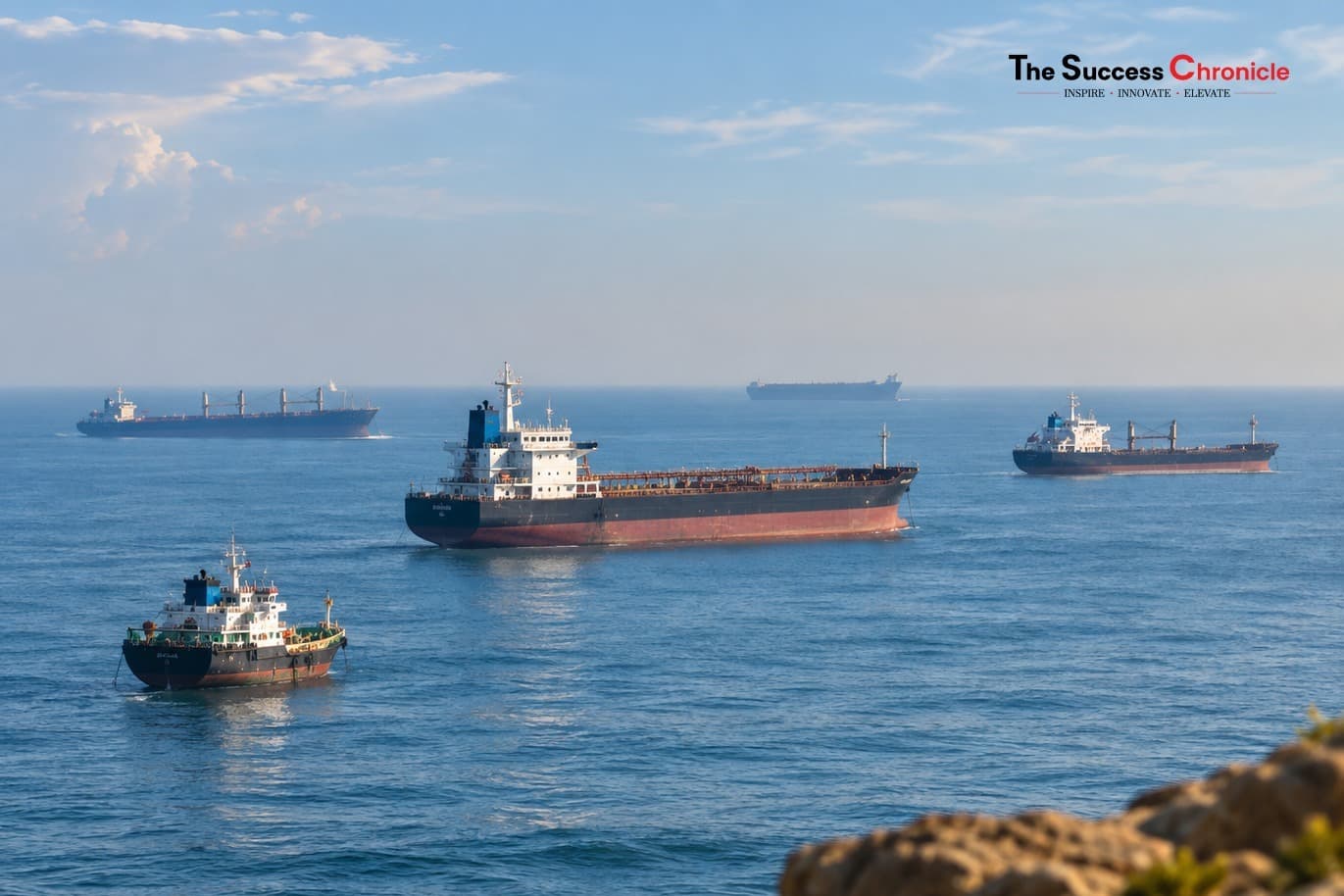
Qatar-Linked LNG Tankers Reappear Around Strait of Hormuz Despite Conflict
More QatarEnergy-linked LNG vessels have been seen moving through the Strait of Hormuz over the past week, despite the ongoing US-Iran conflict, suggesting some LNG shipments from Qatar are moving through the waterway again.
September 28, 2026
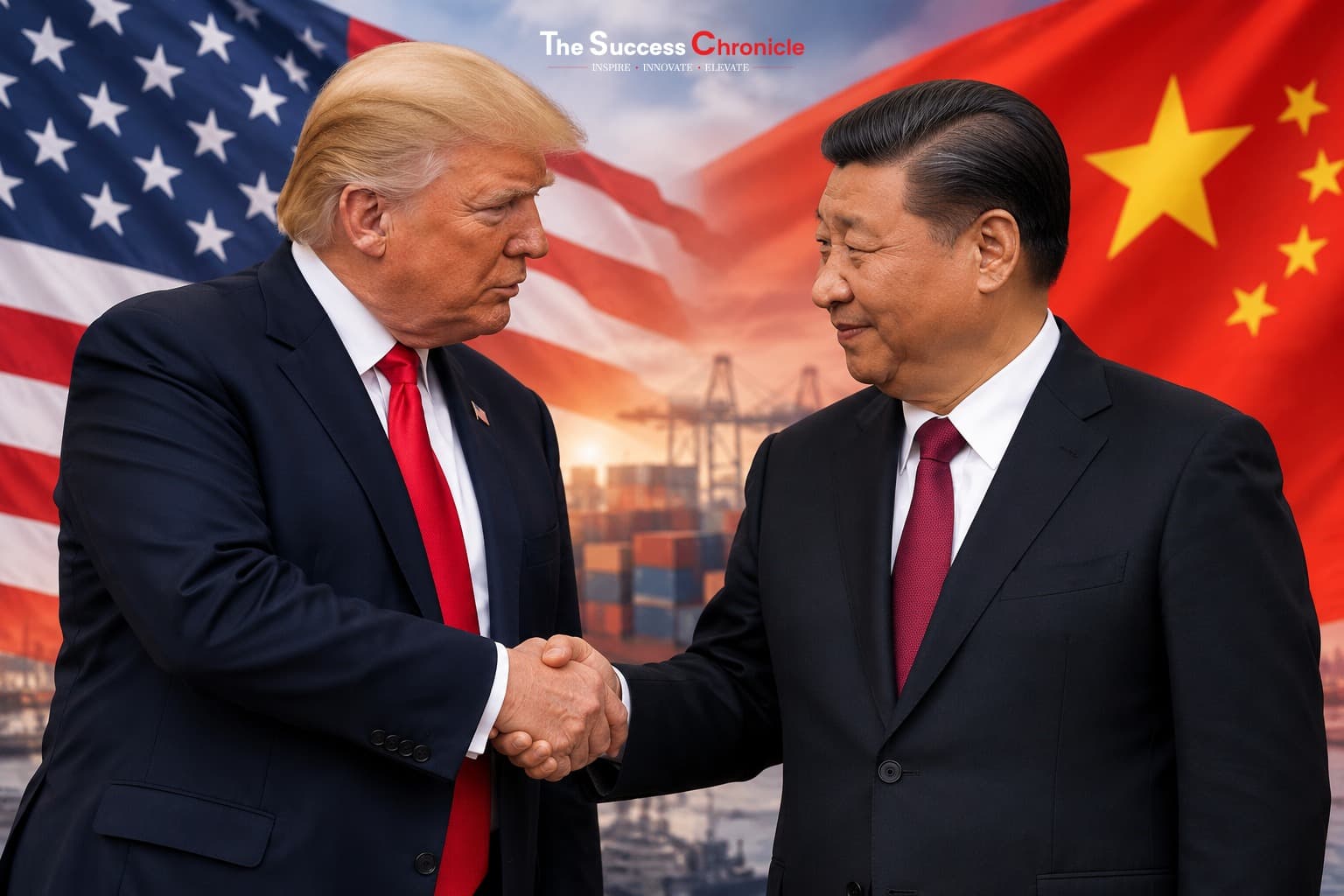
Trump and Xi Seek Closer US-China Cooperation on Trade and AI
US President Donald Trump and Chinese President Xi Jinping have called for increased cooperation in trade, technology, artificial intelligence and security between the US and China, while emphasizing stability in relations.
September 25, 2026