EV Supply Chain: Securing Critical Minerals for the Electric Future
Lithium, cobalt, and nickel supply chains are under intense geopolitical pressure. Automakers and governments are investing billions in mine development and battery recycling.

The electric vehicle transition has created an entirely new category of geopolitical and supply chain risk — dependence not on oil, but on the lithium, cobalt, nickel, and rare earth elements needed to manufacture EV batteries at the scale the industry now requires.
A Concentrated and Fragile Supply Chain
A small number of countries control the vast majority of global reserves and processing capacity for these critical minerals, creating chokepoints that automakers spent decades avoiding with oil but now face anew with battery materials — a concentration risk that recent geopolitical tensions have made impossible to ignore.
Automakers Move Upstream
In response, major automakers are increasingly signing direct offtake agreements with mining companies, and in some cases taking equity stakes in mine development projects directly — a striking departure from the traditional model of purchasing finished battery cells from suppliers without visibility into raw material sourcing.
Battery Recycling as a Strategic Hedge
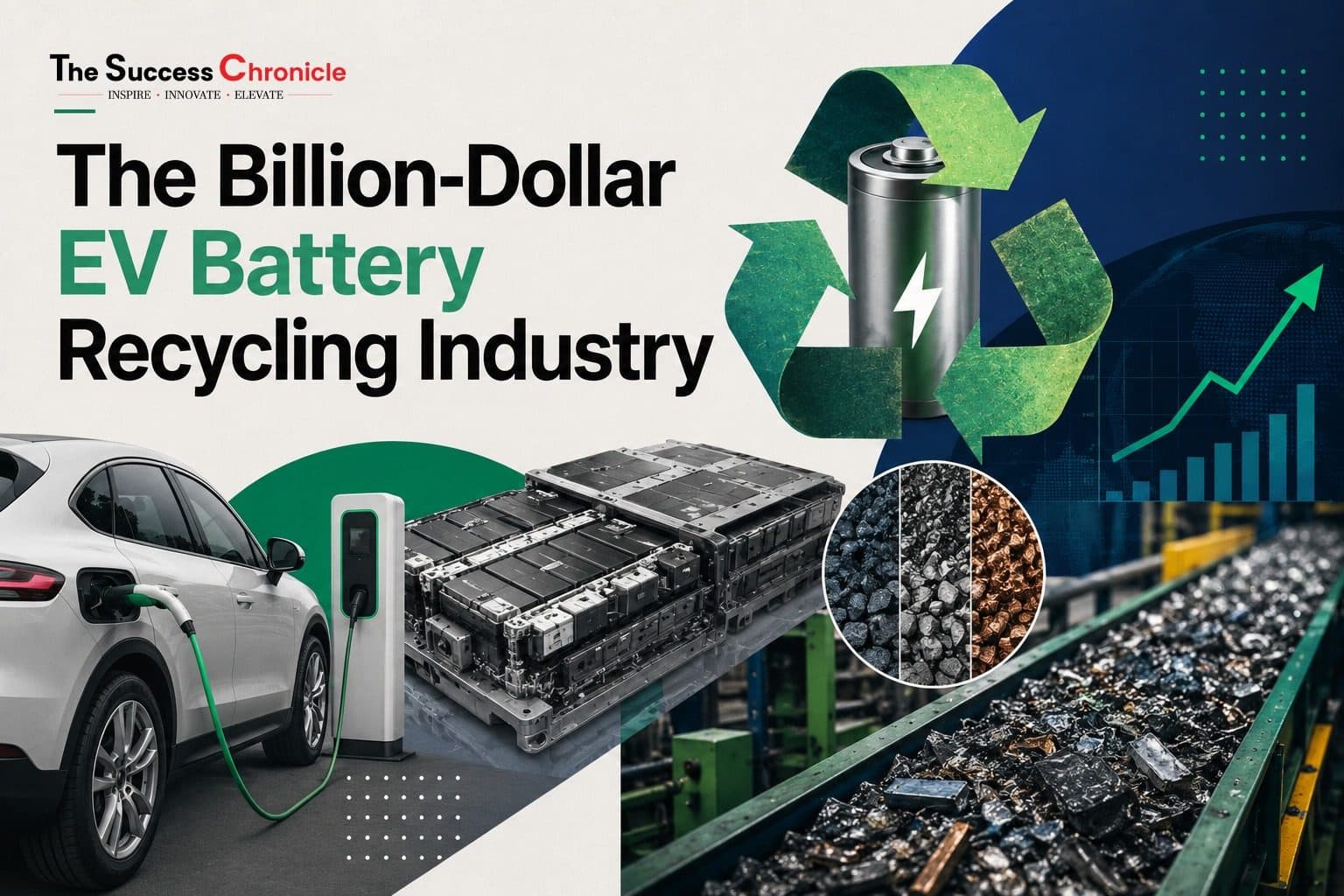
Battery recycling is emerging as a critical second pillar of supply chain security, since recovered lithium, cobalt, and nickel from end-of-life batteries can offset a growing share of virgin mineral demand — and as the first generation of mass-market EVs reaches end of life, recycling capacity is scaling rapidly to capture that recoverable material rather than losing it to landfill.