AI Is Giving Supply Chain Managers X-Ray Vision Across Global Networks
Demand forecasting models trained on real-time data are slashing inventory waste by 30%, while predictive disruption alerts help companies reroute shipments before delays strike.

Supply chain managers have historically operated with limited visibility beyond their immediate suppliers — unable to see disruptions building several tiers upstream until the effects reached their own operations. AI-powered supply chain visibility platforms are closing that gap dramatically.
Demand Forecasting Gets Dramatically More Accurate
Machine learning demand forecasting models that incorporate weather data, social media trends, local events, and historical sales patterns are producing forecasts significantly more accurate than the statistical models supply chains have relied on for decades — directly translating into lower inventory carrying costs and fewer stockouts.
Predicting Disruption Before It Hits
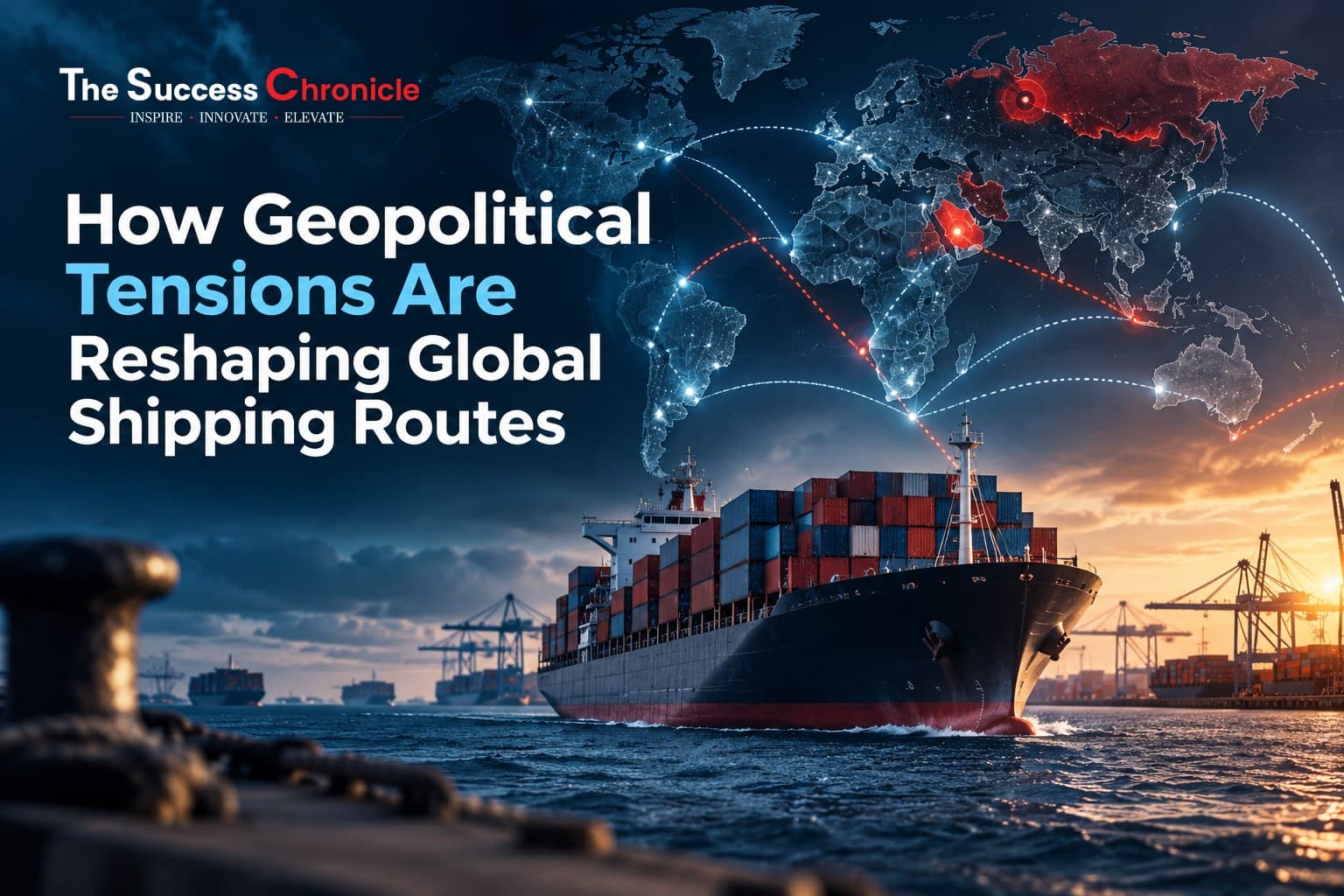
AI-powered risk monitoring platforms now continuously scan news, weather, port congestion data, and geopolitical signals to flag potential disruptions — a factory closure, a shipping lane blockage, a supplier's financial distress — days or weeks before the disruption would otherwise become visible in shipment tracking data.
This early warning capability allows supply chain teams to proactively reroute shipments, activate backup suppliers, or adjust production schedules, converting what would have been reactive crisis management into planned contingency execution.
Multi-Tier Supplier Visibility
The most sophisticated supply chain AI platforms are mapping not just direct, tier-one suppliers but the full multi-tier network of sub-suppliers behind them — visibility that was previously prohibitively difficult to assemble manually, but that proved critical during recent years of recurring global supply chain shocks.