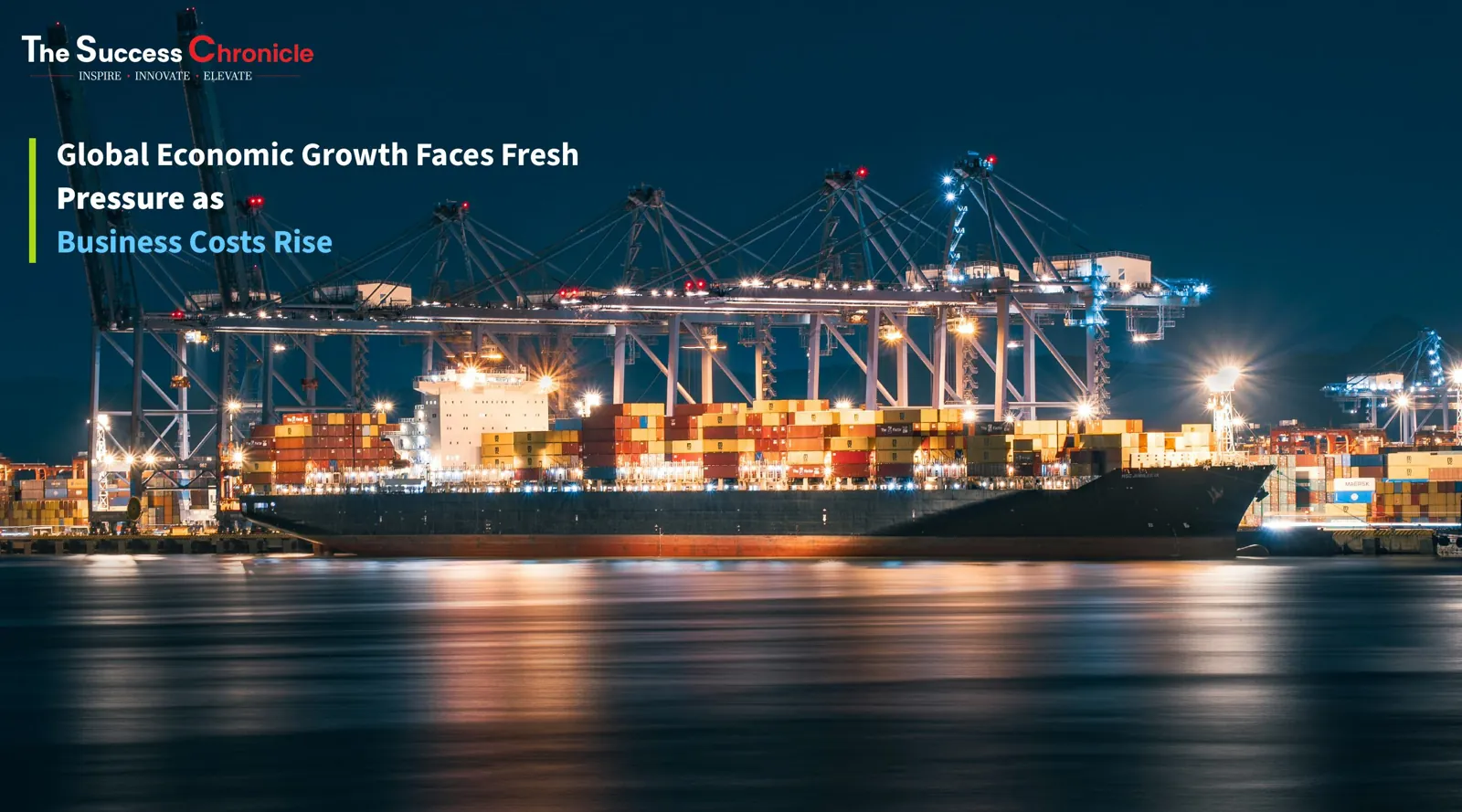
The global economy is entering a difficult period for businesses trying to balance growth with rising costs. Changes in energy markets, geopolitical tensions, and uncertainty around international trade are making it harder for companies to plan their next moves.
According to the United Nations Conference on Trade and Development, global economic growth is projected to slow from 2.9% in 2025 to 2.6% in 2026. The organization also expects global trade in goods and services to grow by 4% in constant prices this year.
Why Businesses Are Watching Costs More Closely
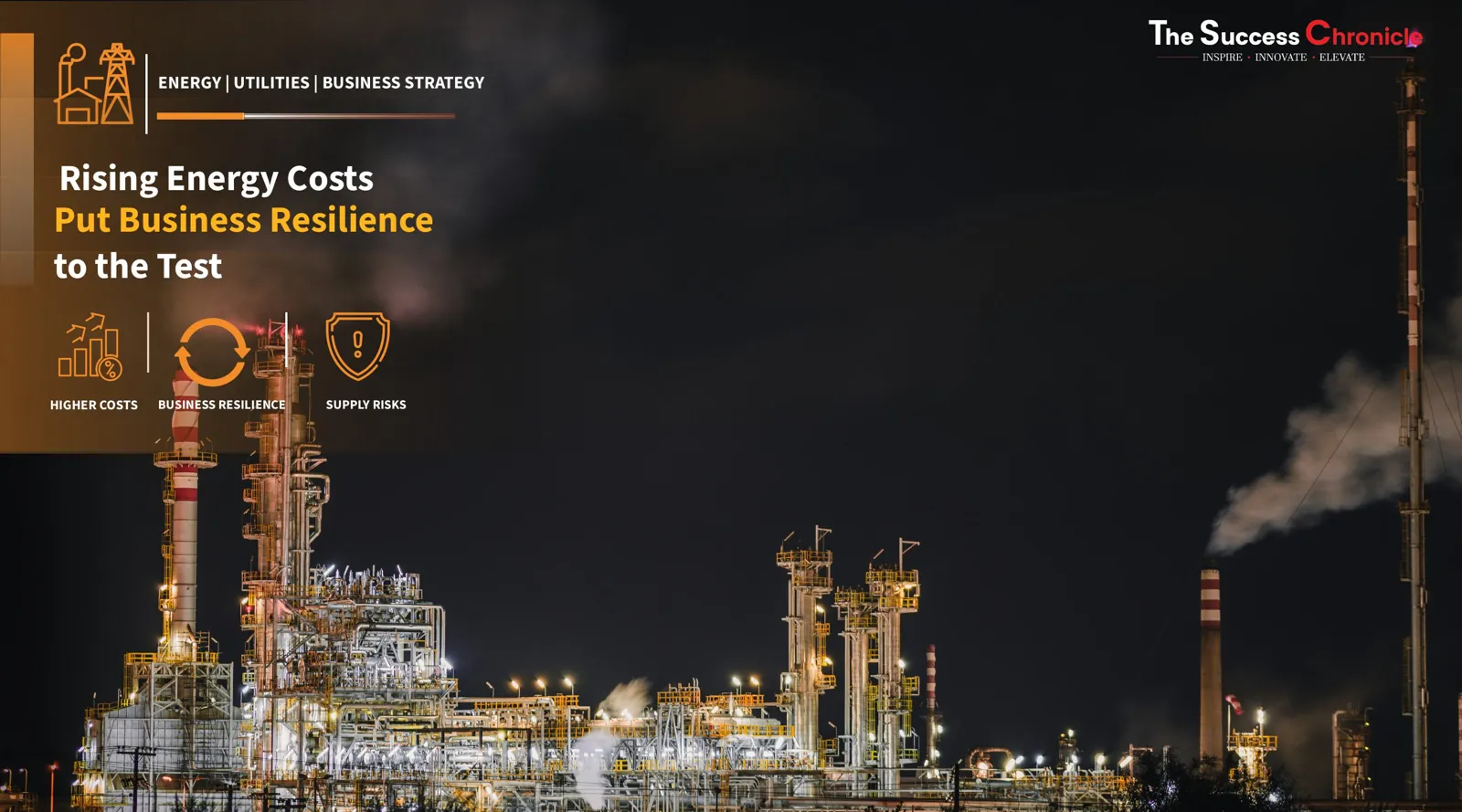
When energy, transport, and raw material costs rise, companies must decide whether to absorb the extra expense or pass some of it on to customers. Either choice can affect profitability.
Smaller businesses may face greater pressure because they often have less negotiating power with suppliers and fewer financial reserves. Companies operating internationally must also account for currency movements and differences in local demand.
Growth Requires Careful Decisions
Uncertainty does not mean businesses must stop investing. It does mean that expansion plans need to be realistic. Reviewing cash flow, managing debt carefully, and understanding customer demand can help companies make better decisions.
Businesses that identify unnecessary expenses while continuing to invest in essential capabilities may be better positioned to handle difficult conditions.
The Road Ahead
Global economic conditions will continue to differ across regions and industries. Rather than relying on a single forecast, business leaders should watch costs, demand, and trade developments in the markets where they operate.