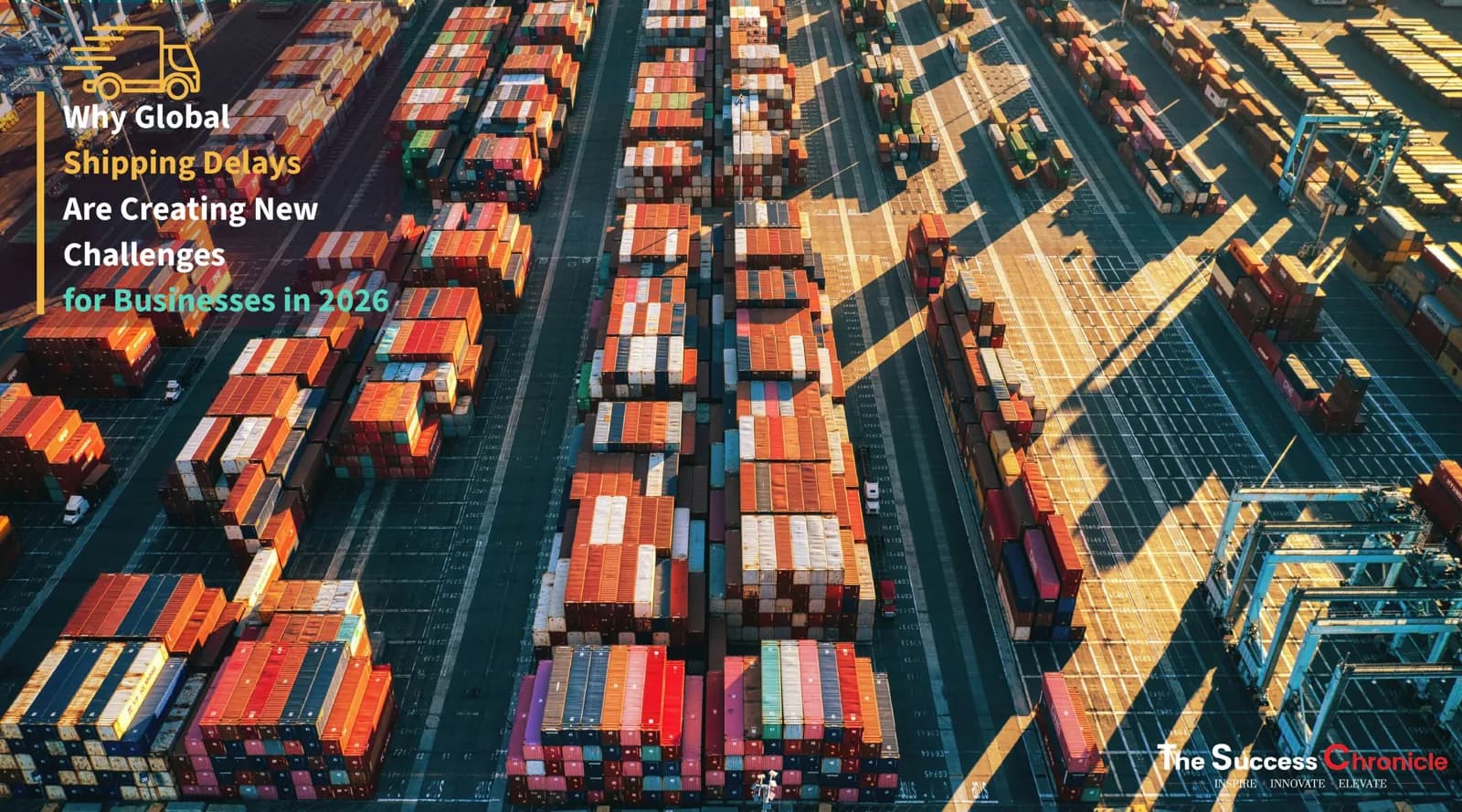
International shipping plays an important role in keeping businesses connected. Products travel across countries before reaching factories, warehouses, retailers, and customers. When deliveries are delayed, the effects can spread across industries, affecting costs, production schedules, and customer satisfaction.
For businesses that depend on international suppliers, managing these challenges has become an important part of daily operations.
When Shipping Delays Affect Business Operations
A delayed shipment can create problems far beyond transportation. A manufacturer may struggle to complete an order because essential components have not arrived. Retailers may run short of popular products, while distributors can face additional storage expenses.
Smaller businesses are often more vulnerable because they have limited budgets and fewer alternatives when suppliers or shipping routes become unreliable.
Even a short delay can affect customer commitments and create unexpected costs. This is why businesses are paying closer attention to the reliability of their supply chains.
Why Companies Are Reviewing Their Suppliers
Many companies are reconsidering how they source products and materials. Rather than depending entirely on one supplier or location, some are exploring alternative sources to reduce the risk of disruption.
Others are keeping additional stock of essential materials so they can continue operating when deliveries take longer than expected.
However, maintaining larger inventories also has disadvantages. Storage costs can increase, and money tied up in unused stock cannot easily be spent elsewhere. Businesses must therefore find a balance between being prepared and controlling expenses.
The Importance of Better Planning
Although companies cannot prevent every shipping delay, they can improve how they respond to unexpected problems.
Regular communication with suppliers can help businesses identify potential delivery issues earlier. Reviewing inventory levels and preparing alternative transportation arrangements can also reduce the impact of disruptions.
Clear coordination between purchasing, finance, and logistics teams is equally important. When departments share information, businesses can make decisions more quickly and avoid unnecessary confusion.
How Technology Supports Supply Chain Management
Digital tracking systems allow companies to monitor shipments and organize delivery information more effectively. These tools can help businesses identify delays, adjust schedules, and keep customers informed about changes.
Technology alone cannot prevent a port closure or guarantee an on-time delivery. Its value lies in giving businesses better information so they can make timely decisions.
What Lies Ahead for Global Trade?
International shipping will continue to connect businesses with suppliers and customers around the world. However, changing trade policies, transportation costs, weather conditions, and geopolitical developments can make planning more complicated.
Companies that regularly review their suppliers, maintain practical backup plans, and build strong business relationships may be better prepared to manage these challenges.
Conclusion
Shipping delays are more than a transportation problem. They can affect production, customer relationships, operating costs, and business growth.
While disruptions cannot always be avoided, thoughtful planning and flexible supply arrangements can help companies respond more effectively. For businesses operating in global markets, preparation and adaptability remain important parts of building a reliable supply chain.