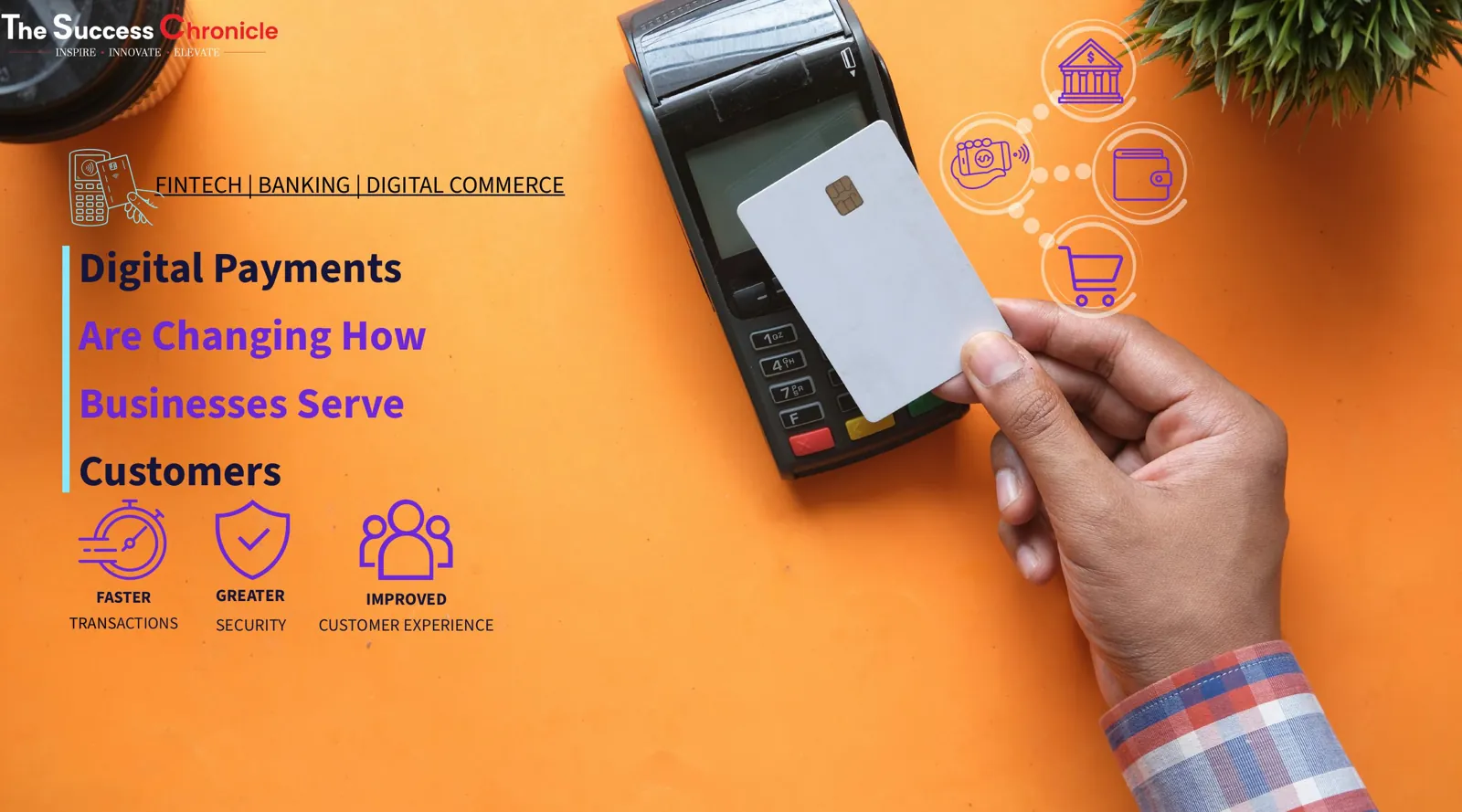
Paying for goods and services has become easier in many markets as digital payment options continue to expand. Customers can increasingly pay through mobile applications, online banking, digital wallets, and contactless systems.
For businesses, these options can make transactions more convenient. They can also create new responsibilities involving security, payment fees, and customer support.
Convenience Comes With Expectations
Customers often expect payments to be processed quickly and receipts to be available immediately. A complicated checkout process can discourage a customer from completing a purchase, particularly in online retail. Businesses that offer suitable payment options may improve the buying experience. However, the right choice depends on the customers they serve, the countries they operate in, and the cost of each payment method.
Security and International Payments
Digital transactions can expose businesses to fraud, account takeover attempts, and disputes over payments. Companies need appropriate verification procedures, secure systems, and clear processes for resolving problems.
International businesses must also consider currency conversion, cross-border fees, and local payment requirements. A payment method that works well in one country may be less practical in another.
What Businesses Should Consider
Before introducing a new payment service, companies should compare transaction costs, settlement times, customer convenience, and the provider's security arrangements.
Digital payments are not simply a technology decision. They are part of the overall customer experience and the way a business manages its cash flow.