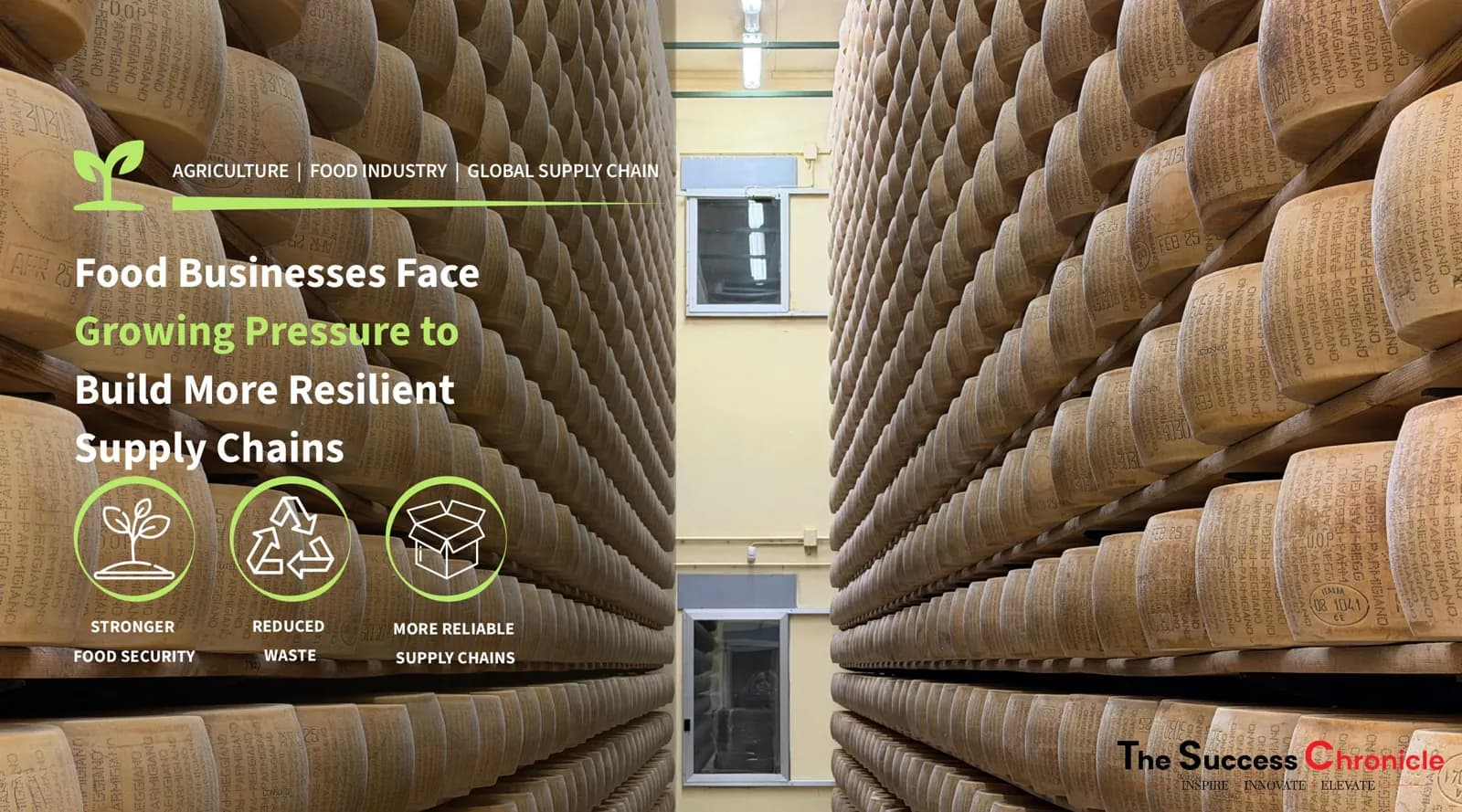
Food travels through a long chain before reaching consumers. Farmers depend on seeds, fertilisers, water, and equipment. Processors need reliable supplies of raw materials, while retailers depend on transportation and storage to keep products fresh.
When one part of this chain faces difficulties, the effects can reach farms, food manufacturers, restaurants, and households.
Why Food Supply Chains Need Careful Planning
Weather conditions, transport delays, higher input costs, and changing demand can make food production difficult to manage. Businesses dealing with perishable goods face an additional challenge because delays can lead to spoilage and financial losses.
The World Trade Organization reported that international trade adjusted to significant disruptions in energy and fertiliser markets during the first half of 2026, with alternative suppliers helping maintain the movement of essential goods. (Source: World Trade Organization.)
These developments highlight the importance of flexibility when businesses depend on international markets for agricultural inputs and food products.
Reducing Waste and Managing Costs
Food businesses can improve resilience by forecasting demand more carefully, maintaining suitable storage conditions, and coordinating deliveries with suppliers.
Farmers and food producers can also benefit from better information about crop conditions, water availability, and market prices. The most useful measures depend on local conditions and the size of the operation.
Reducing food waste is another practical priority. Better storage, packaging, transport, and inventory management can help businesses protect products and avoid unnecessary losses.
Building a More Reliable Food Industry
No single measure can eliminate the risks affecting food production and distribution. Businesses need to understand their suppliers, plan for seasonal changes, and review their operations regularly.
For the food industry, resilience means keeping products moving while managing costs and protecting quality. Companies that prepare for disruptions can be better equipped to meet customer needs when conditions change.