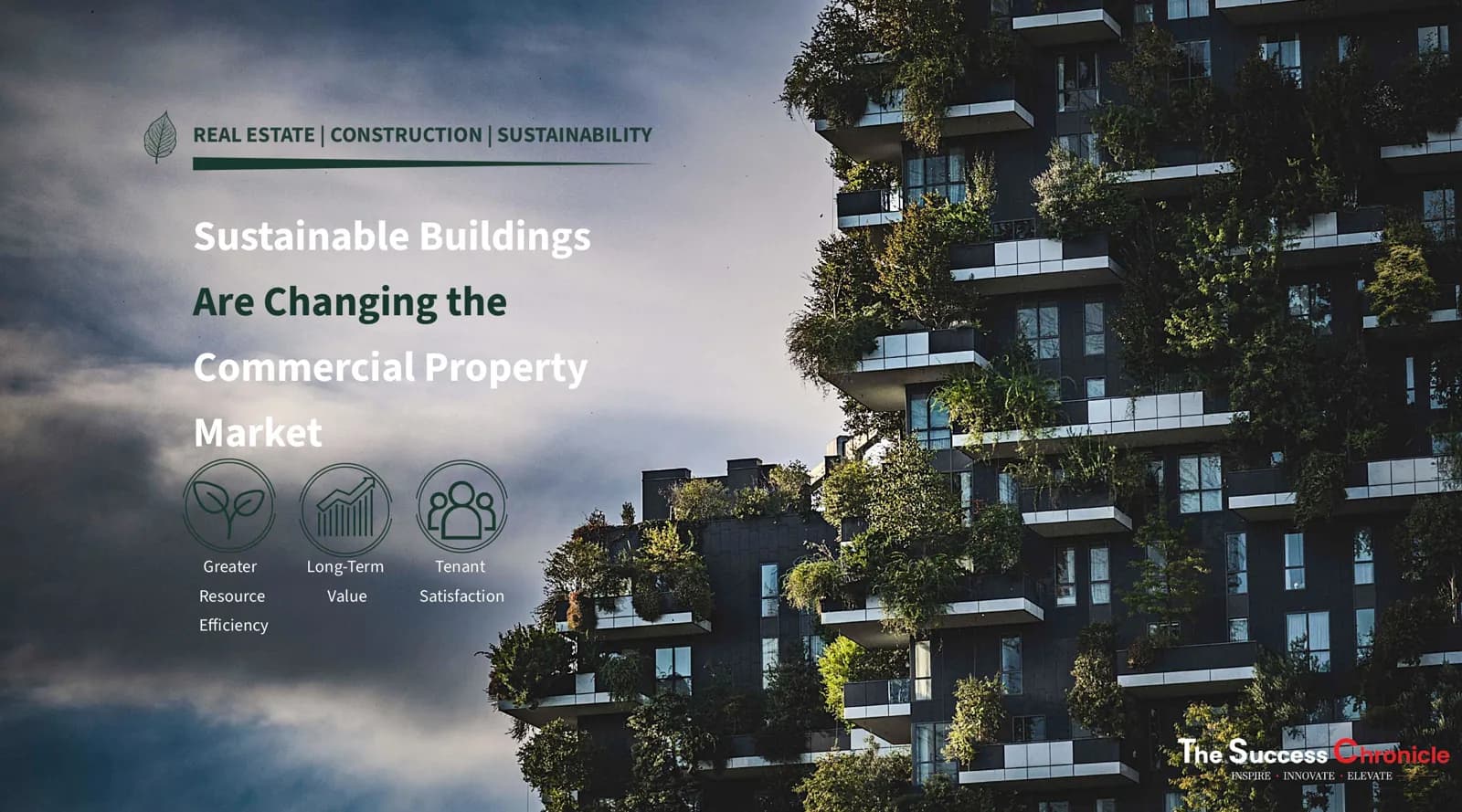
Commercial property owners are paying closer attention to how buildings use energy, manage water, and maintain comfortable working environments. These considerations can influence operating expenses, tenant expectations, and long-term investment decisions. For offices, warehouses, shopping centres, and industrial facilities, sustainability is increasingly connected to how a property performs throughout its working life.
Looking Beyond Construction Costs
A building's initial price is only part of its total cost. Electricity consumption, maintenance, repairs, and equipment replacement can affect expenses for years after construction is completed.
Efficient lighting, improved insulation, suitable ventilation, and modern building controls can help reduce resource use. The results depend on the building's location, design, occupancy, and maintenance.
What Tenants and Investors Should Consider
Businesses choosing commercial space may look at energy expenses, indoor comfort, transport access, and the reliability of building services.
Property owners should evaluate improvement projects carefully. Some upgrades require significant upfront investment, and expected savings will vary. Clear calculations can help determine which measures offer the strongest long-term value.
The Future of Commercial Property
Sustainable building practices are not identical in every market. Local regulations, climate, construction methods, and financing all influence what is practical.
Property developers and owners who understand these factors can make better decisions about new projects and existing buildings.