BitGo Buys NYDIG Trading Unit in USD 42.5 Million Deal
The acquisition brings derivatives, structured products and financing services onto BitGo's platform as it expands its footprint with institutional crypto investors.
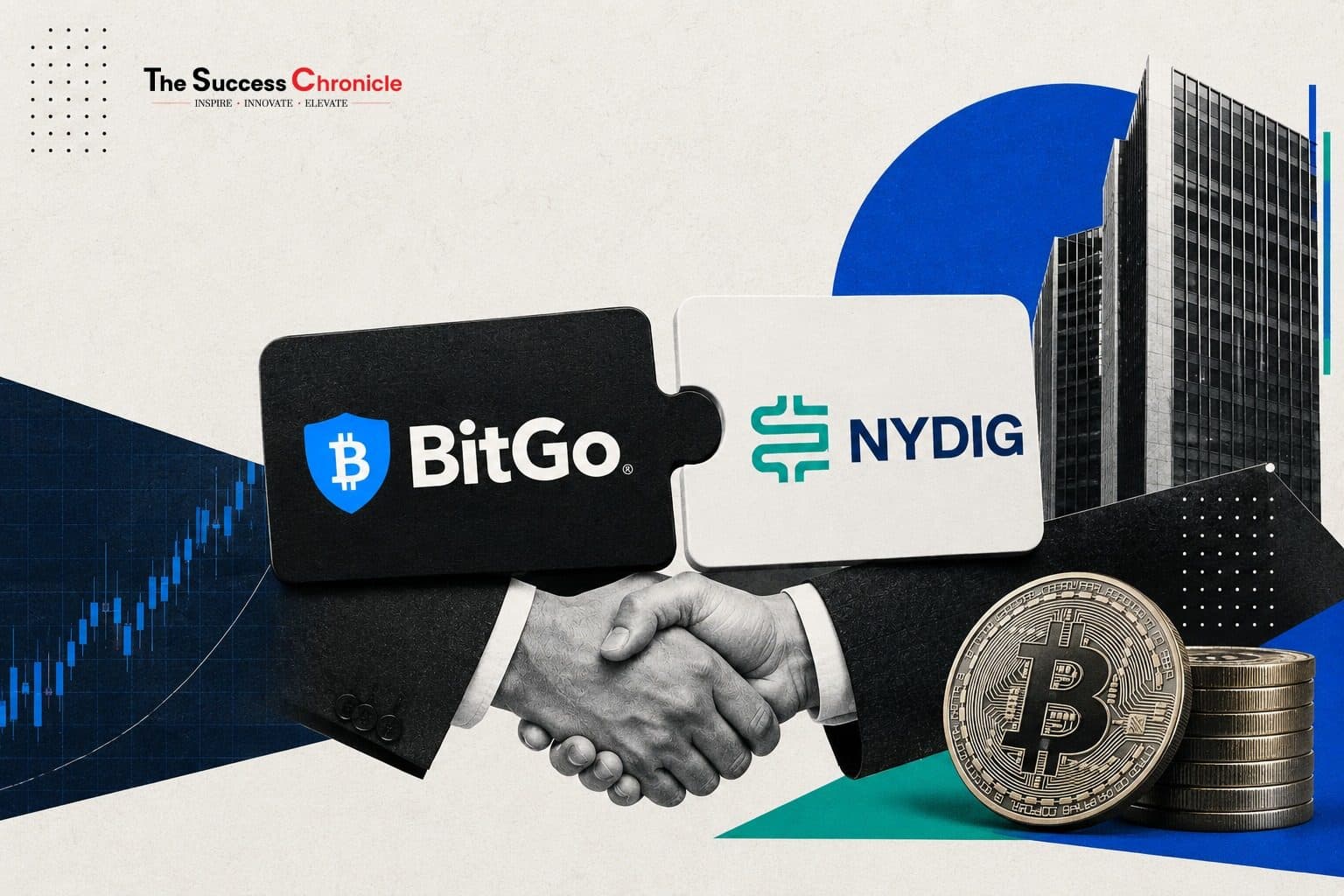
BitGo has acquired NYDIG's institutional trading business in a deal worth USD 42.5 million upfront, expanding its services for large investors in the cryptocurrency market. The transaction also includes up to USD 15 million in additional cash if certain revenue targets are met.
The deal, completed on August 27, includes USD 7 million in cash and about USD 35.5 million in BitGo stock. Additional stock may also be issued based on the terms of the transaction and employee-related milestones.
Expanding Institutional Trading Capabilities
Through the acquisition, BitGo is adding NYDIG's institutional trading operations, including derivatives, structured products, financing and capital markets services. These services will complement BitGo's existing custody, wallet, settlement and trading infrastructure.
The acquired business serves institutional investors such as asset managers, hedge funds, corporations and family offices. Its services include access to liquidity, risk-management tools and trading strategies designed for professional investors.
30 Employees and Client Relationships Move to BitGo
Around 30 NYDIG employees have joined BitGo as part of the transaction. NYDIG's institutional trading client relationships are also moving to BitGo. The company said the addition will help it offer more trading and capital markets services through a single platform.
3 Key Highlights
- USD 42.5 million upfront: BitGo is paying USD 7 million in cash and approximately USD 35.5 million in stock, with up to USD 15 million more tied to revenue milestones.
- More institutional services: The acquisition adds derivatives, structured products, financing and other capital markets capabilities to BitGo's platform.
- 30 employees join BitGo: NYDIG's institutional trading team and client relationships are moving to BitGo, strengthening its institutional trading operations.
The acquisition gives BitGo a wider range of services for institutional crypto clients, bringing trading, financing, derivatives, custody and settlement capabilities together on its platform. NYDIG, meanwhile, can focus its resources on its power generation, bitcoin mining and high-performance computing data center businesses.
Top Posts



Don't Miss

SpaceX Shifts Top Engineers to Boost Grok AI Development
SpaceX is reassigning some of its most experienced Starship and Starlink engineers to accelerate Grok AI development, signalling a major strategic pivot toward artificial intelligence.
August 28, 2026

Australia Overhauls Defence Projects to Cut Costs and Delays
Australia is introducing sweeping reforms to defence project management after a review found costs ballooned by an average of 38% — roughly A$29 billion — between planning and final approval.
August 31, 2026