China Crude Imports Hit 3-Month High Despite Hormuz Risks
A brief reopening of the Strait of Hormuz lifted Chinese oil imports, but analysts warn the recovery is fragile as shipping disruptions persist.

China's crude oil imports increased to the highest level in three months after the Strait of Hormuz briefly reopened for commercial shipping. July imports were 24% below a year ago, but improved sharply from June's 41% year-on-year drop — a data point that energy markets interpreted as a tentative sign of stabilisation.
The recovery follows a U.S.-Iran memorandum signed in mid-June that temporarily reopened the Strait. The deal collapsed after fresh attacks on ships in early July, driving up global energy costs and injecting new uncertainty into Middle East supply routes.
Hormuz: The World's Most Critical Oil Chokepoint
The Strait of Hormuz handles approximately 20% of global oil trade daily. Under normal conditions, an average of 130 to 140 commercial vessels transit the waterway each day. Recent Kpler shipping data showed only two ships making the passage — a reduction of over 98% from pre-conflict averages.
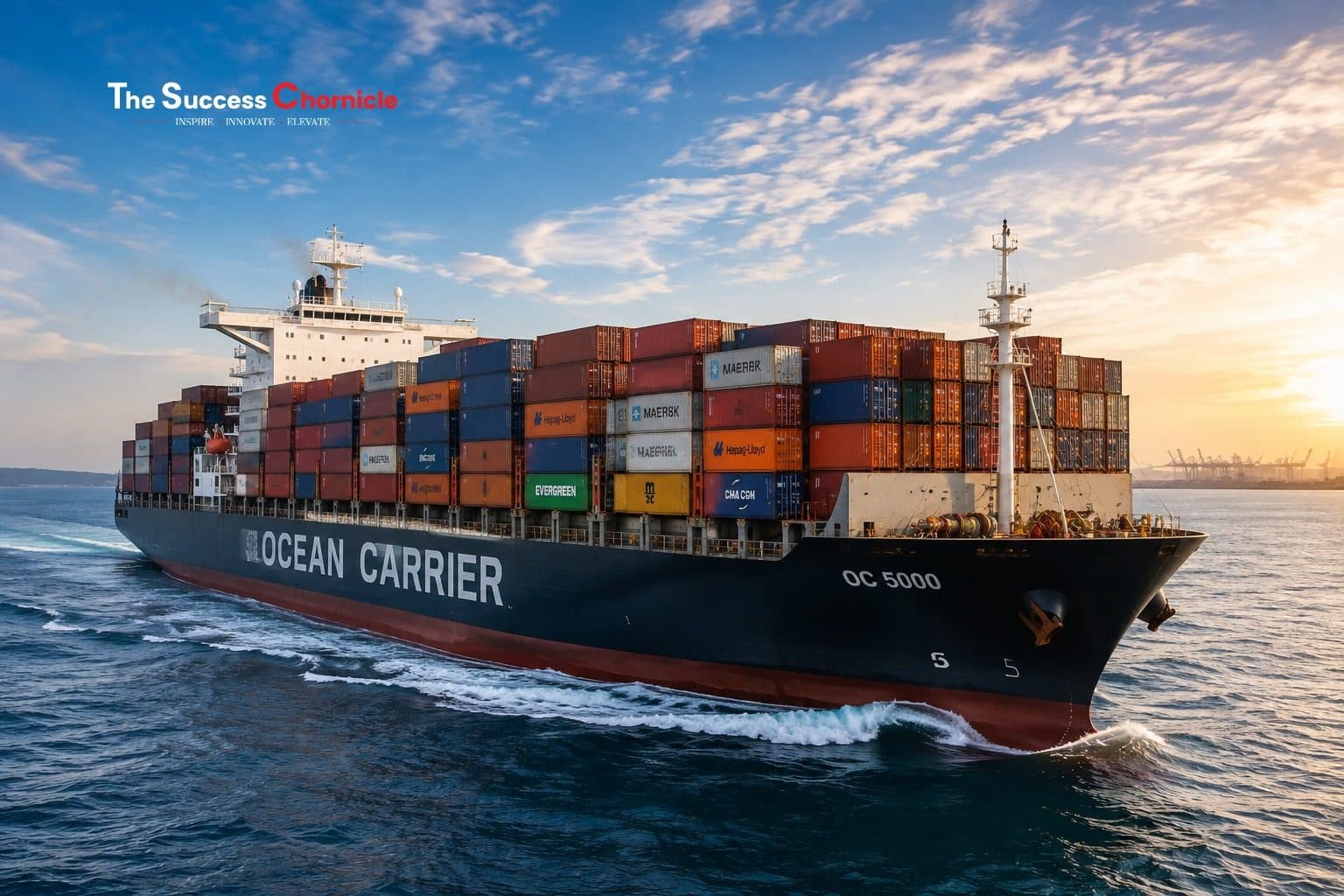
The disruption has forced tanker operators to reroute cargo around the Cape of Good Hope, adding weeks of transit time and significantly increasing shipping costs. Insurance premiums for vessels entering the Persian Gulf have surged to levels not seen since the height of the 2019 Gulf of Oman incidents.
China Draws on Strategic Reserves
With strategic oil stocks near 1.4 billion barrels, China has been drawing on reserves rather than rushing spot market imports at elevated prices. This approach has buffered the domestic economy from the worst of the supply shock while Beijing continues diplomatic engagement with both Tehran and Washington.
Analysts at Capital Economics expect August import volumes to stagnate or contract. Refiners, which slowed throughput sharply in June, have been cautious about restocking while the geopolitical situation remains unresolved. Several independent refiners in Shandong province have idled capacity pending clearer signals on supply availability.
Market Implications
Brent crude has remained volatile in the $88 to $102 range since the Hormuz crisis began, with each diplomatic development triggering sharp short-term moves. Energy economists broadly agree that a durable reopening of the Strait would bring immediate downward pressure on oil prices.
For China — the world's largest crude importer — normalisation of Middle East supply routes would ease pressure on its refining sector and reduce the cost of maintaining its strategic reserve programme. Until that happens, Beijing is expected to continue diversifying supply away from Gulf producers toward Russian, West African, and Brazilian crude.
Top Posts

Don't Miss
Australia Overhauls Defence Projects to Cut Costs and Delays
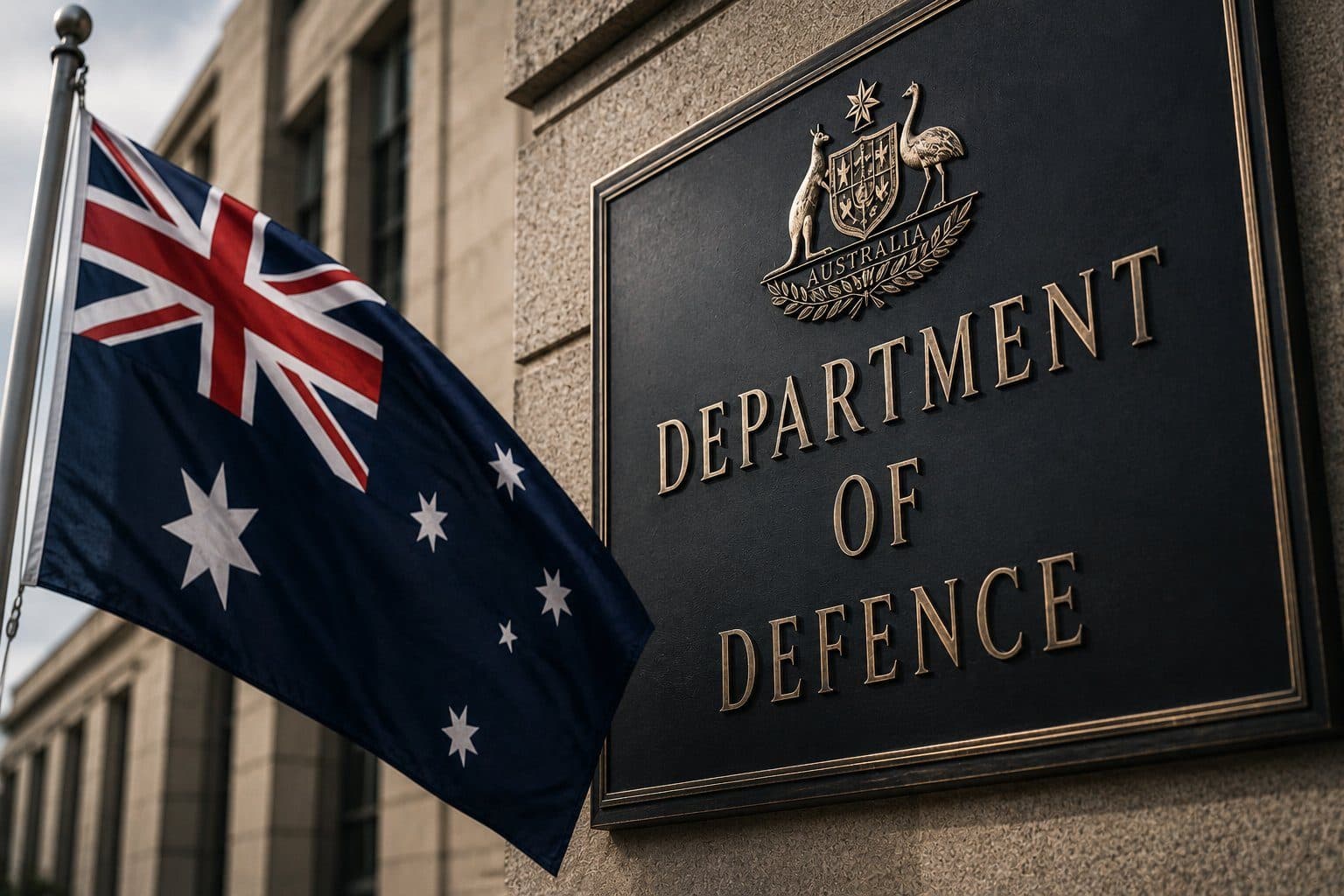
Australia is introducing sweeping reforms to defence project management after a review found costs ballooned by an average of 38% — roughly A$29 billion — between planning and final approval.
August 31, 2026

Samsung Set for Strong Q2 as AI Chip Demand Remains Robust
Samsung Electronics is projected to report Q2 2026 operating profit of ~7.6 trillion won ($5.6 billion), fuelled by robust AI memory chip demand and continued cloud infrastructure investment.
August 29, 2026