Samsung Set for Strong Q2 as AI Chip Demand Remains Robust
Surging hyperscaler investment in AI infrastructure is translating into another healthy quarter for Samsung's semiconductor division.
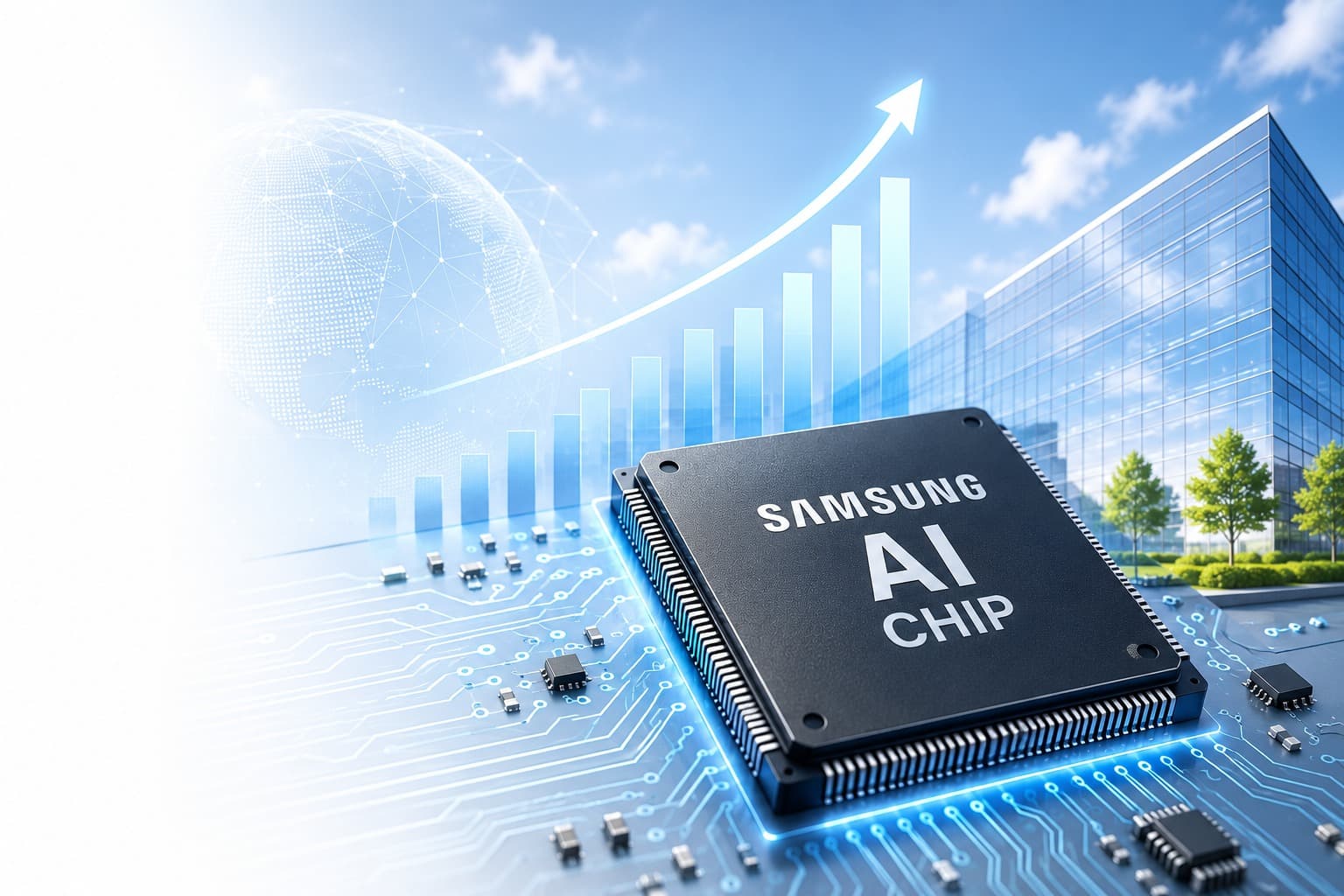
Samsung Electronics is projected to report Q2 2026 operating profit of approximately 7.6 trillion Korean won ($5.6 billion), fuelled by robust demand for AI memory chips and continued investment by cloud providers in data center infrastructure. The result, if confirmed, would represent a significant improvement over the same period last year.
Samsung's semiconductor division is expected to deliver another solid quarter as customers continue buying HBM, DRAM, and NAND flash memory for AI applications — some of the fastest-growing segments in the chip industry.
AI Investment Drives Memory Demand
Rapid AI services growth has pushed cloud providers and tech giants to invest heavily in new data centers, requiring large volumes of advanced memory chips. With demand outpacing supply, memory chip prices have remained healthy, supporting Samsung's earnings rebound after a difficult 2023 and 2024.
HBM remains the highest-value segment, though Samsung has faced stiff competition from SK Hynix, which holds the leading position with Nvidia. Samsung is working to qualify its HBM3E products with Nvidia and other major GPU vendors — a process that, if successful, would open a significant new revenue stream.
Competitive Landscape
Despite strong competition from SK Hynix and Micron, Samsung's manufacturing scale and extensive customer base have enabled it to capitalise on the current AI investment wave. Its diversified product portfolio — spanning memory, logic, and foundry services — provides resilience that pure-play memory companies cannot match.
Looking ahead, analysts expect the AI-driven demand cycle to persist well into 2028. Samsung has outlined capital expenditure plans of over $40 billion for 2026, with the bulk directed toward advanced memory and logic fabrication — a bet that the current investment cycle has years of runway remaining.
Top Posts


Don't Miss
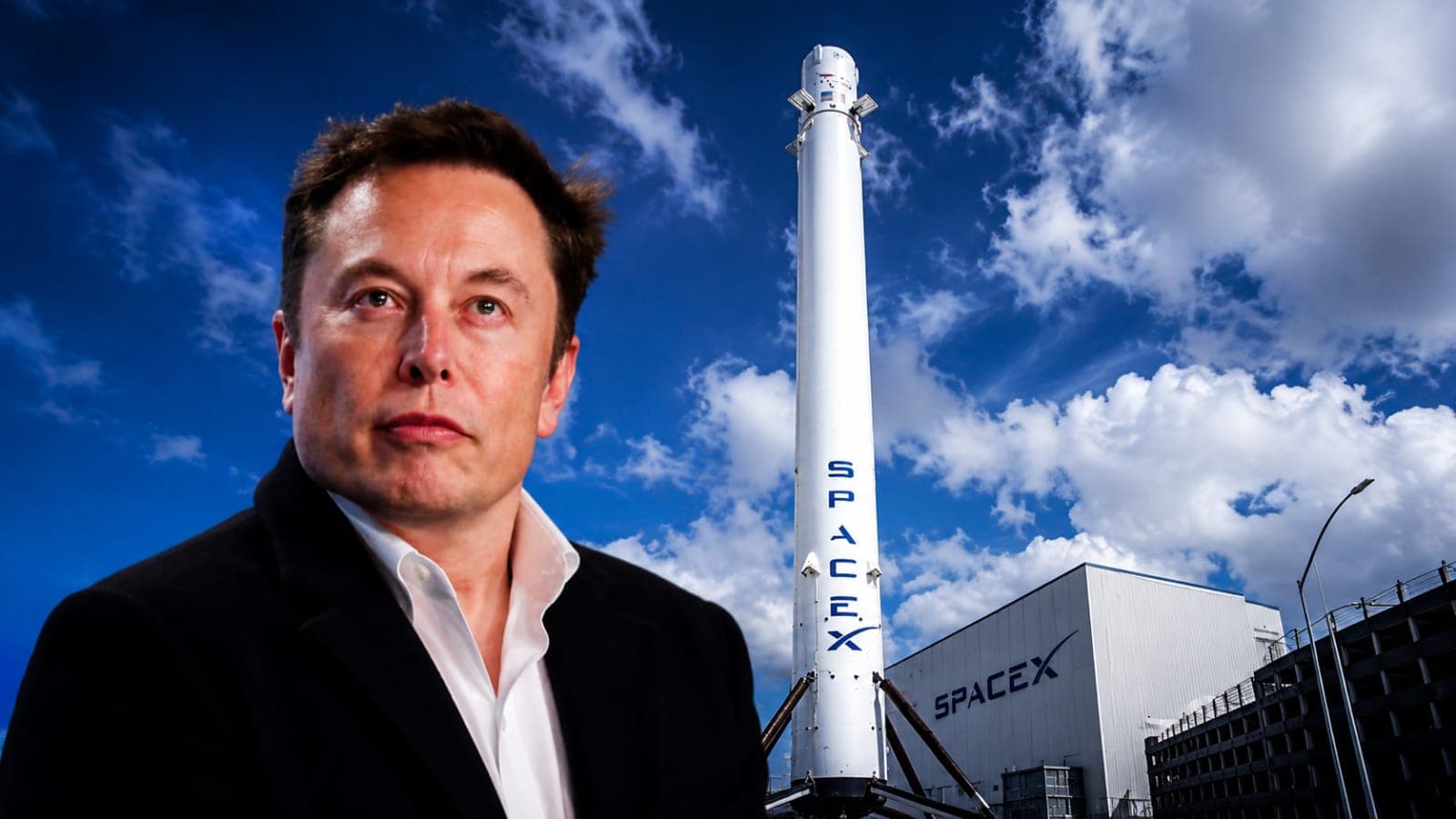
SpaceX Shifts Top Engineers to Boost Grok AI Development
SpaceX is reassigning some of its most experienced Starship and Starlink engineers to accelerate Grok AI development, signalling a major strategic pivot toward artificial intelligence.
August 28, 2026

Australia Overhauls Defence Projects to Cut Costs and Delays
Australia is introducing sweeping reforms to defence project management after a review found costs ballooned by an average of 38% — roughly A$29 billion — between planning and final approval.
August 31, 2026