China's RoboTechnik Starts HK$5.18 Billion Hong Kong IPO
The automation equipment maker is seeking about US$660 million in a secondary listing to expand its photovoltaic manufacturing and silicon photonics business.
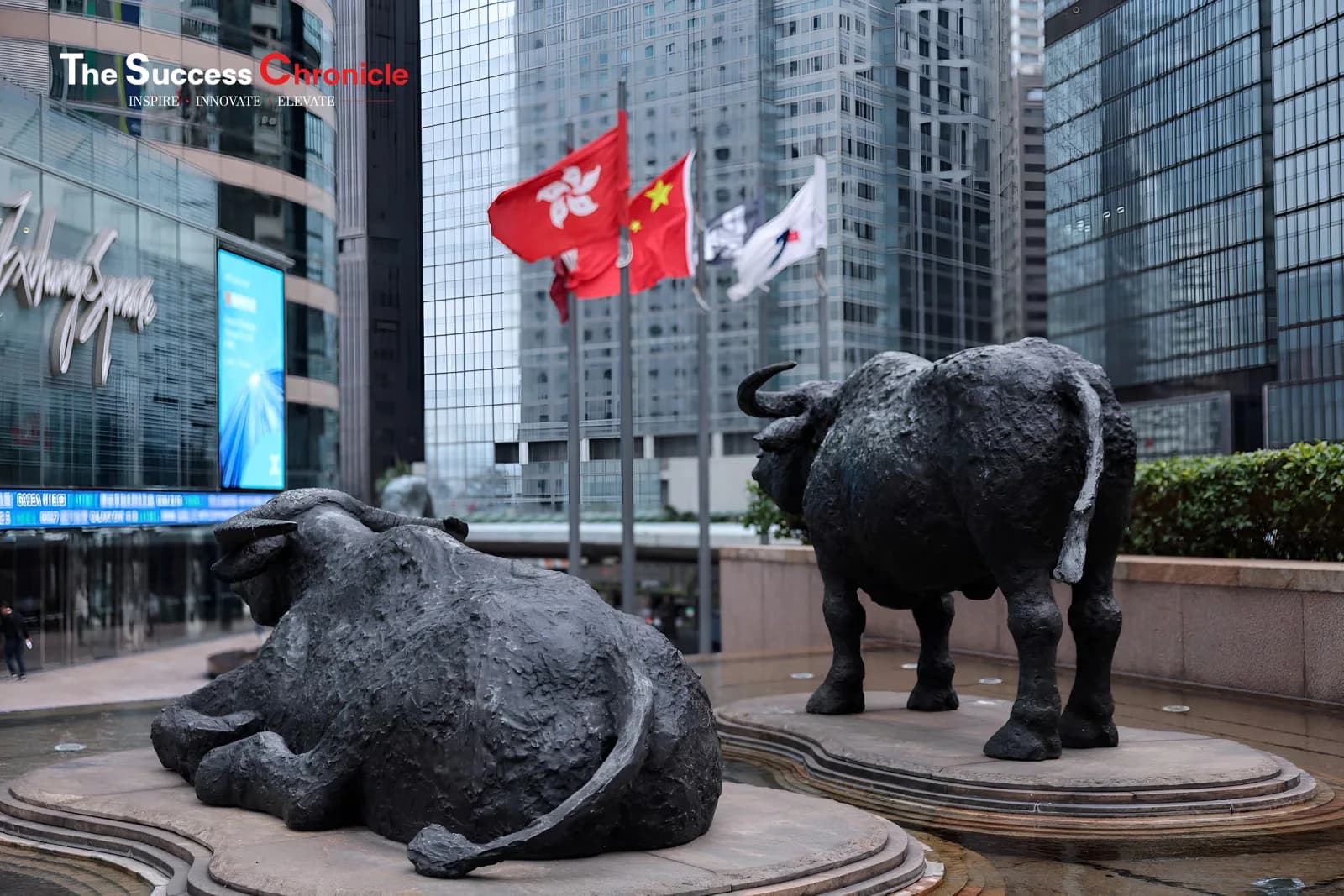
RoboTechnik Intelligent Technology has started its Hong Kong share sale, seeking to raise about HK$5.18 billion (US$660 million) as the China-based automation equipment maker expands its business in photovoltaic manufacturing and silicon photonics. The company opened the Hong Kong public offering on September 21, 2026, according to the latest exchange information.
RoboTechnik is selling 11.876 million H shares for a maximum of HK$436 each. The offering will close on Sept. 24 and trading is expected to begin on Sept. 29. The offering in Hong Kong will be approximately 10% of the total shares, while the remaining 90% will be offered under the international offering.
At the maximum offer price, the company expects gross proceeds of around HK$5.178 billion and net proceeds of about HK$4.961 billion. Cornerstone investors have committed to subscribe for about US$232.4 million worth of shares.
The funds raised will be used to expand its production facility, to finance research and development efforts, to build its global sales and service network, for strategic investments and acquisitions and to meet working capital requirements.
The company supplies automation equipment for photovoltaic cell production and assembly and testing systems for silicon photonics. Its silicon photonics equipment is used in optical connections for data centres and AI infrastructure.
3 Key Highlights
- HK$5.18 billion target: RoboTechnik is seeking about US$660 million from the Hong Kong offering.
- September 29 debut: The company's H shares are expected to start trading on September 29.
- Profit recovery: RoboTechnik reported a net profit of 6.56 million yuan for the first half of 2026, compared with a net loss of 33.33 million yuan in the same period last year. Revenue rose 144.8% to 608.48 million yuan.
The Hong Kong listing comes as RoboTechnik seeks to expand its international operations and strengthen its position in photovoltaic manufacturing and silicon photonics equipment. The company is already listed in Shenzhen, making the Hong Kong offering a secondary listing.
Top Posts



Don't Miss
SpaceX Shifts Top Engineers to Boost Grok AI Development
SpaceX is reassigning some of its most experienced Starship and Starlink engineers to accelerate Grok AI development, signalling a major strategic pivot toward artificial intelligence.
August 28, 2026

Australia Overhauls Defence Projects to Cut Costs and Delays
Australia is introducing sweeping reforms to defence project management after a review found costs ballooned by an average of 38% — roughly A$29 billion — between planning and final approval.
August 31, 2026